Avoiding Bond Deductions in Robina Rentals: A Tenant’s Guide
Securing your bond back after moving out of a rental property in Robina is a primary concern for many tenants. Understanding the common reasons for Robina rental bond deductions is crucial to ensuring you receive your full security deposit. This guide outlines best practices and preventative measures to help you navigate the process smoothly and successfully avoid unnecessary charges.
Understanding Your Lease Agreement
Before even thinking about moving out, thoroughly review your lease agreement. This document outlines your responsibilities as a tenant and the landlord’s obligations. Pay close attention to clauses regarding the property’s condition upon vacating, cleaning standards, and any specific requirements for repairs. A clear understanding of your contractual obligations is the first step to avoiding bond deductions in Robina.
Key Lease Provisions to Note
- Cleaning Standards: Most leases specify a “rent-ready” or “professionally cleaned” standard. This means the property should be returned in the same condition it was in at the start of your tenancy, minus normal wear and tear.
- Damage vs. Wear and Tear: Distinguish between accidental damage (which you may be liable for) and normal wear and tear (which is generally the landlord’s responsibility).
- Reporting Maintenance Issues: Note any clauses requiring you to report maintenance issues promptly. Failure to do so could lead to larger problems and potential deductions.
Maintaining the Property Throughout Your Tenancy
Proactive maintenance is key to preventing costly issues down the line. Regularly inspect the property for any potential problems and address them as soon as they arise. This not only shows good tenant behaviour but also significantly reduces the likelihood of disputes over damages. Consistent upkeep is fundamental to avoiding bond deductions in Robina rentals.
Regular Cleaning and Upkeep
- Regular Cleaning Schedule: Maintain a consistent cleaning routine, focusing on kitchens, bathrooms, and floors. This prevents grime build-up that can be difficult and expensive to remove.
- Pest Control: Address any pest issues promptly. Landlords may deduct costs for infestations caused by neglect.
- Garden Maintenance: If your lease includes garden maintenance, ensure it is kept tidy as per the agreement.
Documenting the Property’s Condition
Thorough documentation at both the beginning and end of your tenancy provides irrefutable evidence of the property’s state. This is your strongest defence against unfair Robina rental bond deductions. Take detailed photos and videos of the property’s condition, including any pre-existing damage.
Moving In: The Condition Report
- Complete the Condition Report: Upon moving in, meticulously fill out the condition report provided by your real estate agent or landlord. Be honest and detailed about any existing flaws.
- Photographic Evidence: Supplement the report with high-resolution photos and videos of every room, highlighting any marks, stains, or damage.
Moving Out: Final Documentation
- Pre-Move Out Inspection: Consider conducting a self-inspection a few days before your final inspection. Address any minor cleaning or repair issues.
- Final Photos/Videos: Take a comprehensive set of photos and videos of the property immediately after cleaning and removing your belongings. This captures the final state for your records.
Professional Cleaning and Repairs
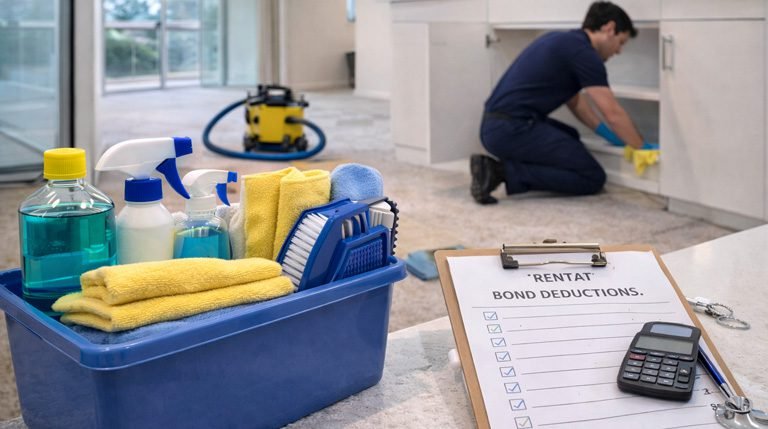
While DIY cleaning is often acceptable, some landlords may require professional cleaning, especially for carpets or ovens. If your lease specifies this, comply to avoid deductions. Similarly, if you’ve caused damage beyond normal wear and tear, it’s often more cost-effective to arrange professional repairs yourself rather than leaving it for the landlord to claim through the bond. This proactive approach is vital for avoiding bond deductions.
When to Call the Professionals
- Carpet Cleaning: Especially if you have pets or have experienced spills.
- Pest Treatment: If any pest issues arose during your tenancy.
- Minor Repairs: For cosmetic issues like small holes in walls or scuff marks on paintwork.
Navigating the Bond Claim Process
If a dispute arises, familiarise yourself with the Queensland tenancy dispute resolution process. The Residential Tenancies Authority (RTA) is the governing body that manages bond claims and disputes. Presenting your documented evidence clearly and concisely is paramount to a successful outcome in avoiding bond deductions.
Key Steps in the Process
- Lodge Bond Claim: Either you or the landlord will lodge a claim for the bond.
- Negotiation: Attempt to resolve any disagreements directly with the landlord.
- Dispute Resolution: If negotiation fails, the RTA offers dispute resolution services.
- Tribunal Hearing: In rare cases, disputes may proceed to the Queensland Civil and Administrative Tribunal (QCAT).
Frequently Asked Questions About Robina Rental Bond Deductions
Q1: What is the most common reason for Robina rental bond deductions?
A1: The most common reason for Robina rental bond deductions is failure to return the property in a clean condition, often requiring professional cleaning costs.
Q2: How can I ensure I avoid bond deductions for cleaning in my Robina rental?
A2: Thoroughly clean the property yourself or hire professional cleaners, especially for carpets and ovens, to meet the lease agreement’s standards.
Q3: What is considered “normal wear and tear” in a Robina rental property?
A3: Normal wear and tear refers to minor deterioration from ordinary use, such as faded paint, worn carpet in high-traffic areas, or minor scuffs. Significant damage like large stains, holes in walls, or broken fixtures is generally not considered wear and tear.
Q4: Can a landlord deduct the cost of general property maintenance from my bond in Robina?
A4: Generally, landlords cannot deduct costs for routine property maintenance from your bond. This is usually their responsibility, unless the lease agreement specifies otherwise or the maintenance was required due to tenant neglect.
Q5: What should I do if my landlord unfairly tries to claim bond deductions in Robina?
A5: Gather all your evidence, including your condition reports, photos, videos, and receipts for cleaning or repairs. Then, lodge a dispute with the RTA.
Q6: Is there a time limit for landlords to claim Robina rental bond deductions after I vacate?
A6: While there isn’t a strict time limit to lodge a claim with the RTA, landlords should act promptly. Tenants have a period to respond to claims, and delays can complicate the process.
Conclusion: Proactive Steps for a Full Bond Return
Ultimately, successfully avoiding bond deductions in Robina rentals hinges on preparation, communication, and meticulous record-keeping. By thoroughly understanding your lease, diligently maintaining the property, and meticulously documenting its condition throughout your tenancy, you significantly enhance your chances of a full bond return. Treat your rental as if it were your own, and you’ll be well on your way to a hassle-free move-out.
Call to Action
Are you preparing to move out of your Robina rental? Don’t leave your bond to chance! Contact [Your Local Real Estate Agency Name] today for expert advice on ensuring a smooth tenancy handover and maximizing your bond refund. We specialise in helping tenants in Robina avoid common pitfalls and secure their full security deposit.