
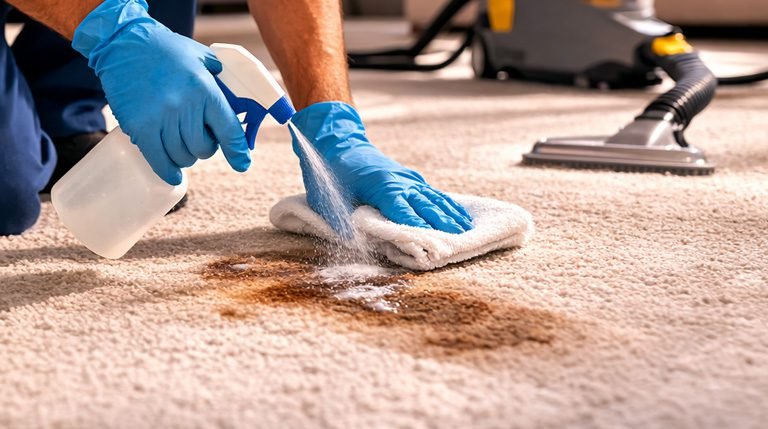
Carpet Stain Removal Tips from Professionals
Dealing with stubborn carpet stains can be a daunting task. Fortunately, with the right knowledge and techniques, achieving professional-level carpet stain removal is well within reach for most homeowners. Understanding the nature of the stain and acting swiftly are the cornerstones of effective stain eradication. This guide will equip you with essential carpet stain removal tips directly from industry professionals.
Understanding the Science Behind Stains
Before attempting any carpet stain removal, it’s crucial to understand that not all stains are created equal. Different types of spills require different treatment approaches. For instance, a water-based stain like juice will respond differently to a solvent-based stain like grease or oil. Identifying the source of the stain is the first, often overlooked, step in the cleaning process.
The Golden Rule: Act Fast
Perhaps the most critical piece of advice from any professional cleaner is to address stains immediately. The longer a stain sits, the more it penetrates the carpet fibers and binds with the underlying padding. Consequently, older stains are significantly harder to remove completely. Therefore, having a basic cleaning kit readily available can make a world of difference.
Essential Tools and Supplies for Effective Removal
To effectively tackle common household spills, a few key items are indispensable. A clean white cloth or paper towels are vital for blotting, never rubbing. Additionally, a mild, pH-neutral detergent or specialized carpet spot removers are often recommended. For tougher, set-in stains, a carpet cleaning machine can be a valuable investment for ongoing maintenance.
Water-Based Stains: A Gentle Approach
For spills like coffee, tea, or wine, a simple solution of mild dish soap and water is often sufficient. Always blot the stain from the outside in to prevent spreading. Rinse the area thoroughly with clean water and blot dry. For more persistent water-based stains, a solution of white vinegar and water (1:1 ratio) can also be effective. Remember, patience is key; repeated blotting and rinsing may be necessary.
Grease and Oil-Based Stains: The Power of Absorption
Grease and oil stains require a different strategy. Start by scraping off any excess residue. Then, generously apply an absorbent powder, such as baking soda or cornstarch, to the stain. Allow it to sit for at least 15-30 minutes, or longer for stubborn stains, to absorb the grease. Vacuum up the powder and repeat if necessary. You may then need to follow up with a mild detergent solution.
Pet Stains and Odors: Specialized Solutions
Pet accidents present a dual challenge: the stain and the odor. Enzyme-based cleaners are highly recommended for pet stains as they break down the organic matter causing the odor. Apply the cleaner according to the product instructions, ensuring it reaches deep into the fibers. Proper ventilation is also important during and after cleaning.
When to Call the Professionals
While many common stains can be managed with DIY methods, some situations warrant professional intervention. Deeply set, large, or unknown stains, as well as delicate carpet materials, are best handled by experienced technicians.
Furthermore, if you’ve attempted multiple cleaning methods without success, it’s time to consider professional carpet cleaning services. Professionals have access to specialized equipment and stronger cleaning solutions, along with the expertise to use them safely without damaging your carpets.
This ensures thoroughness and preserves the integrity of your flooring.
Frequently Asked Questions About Carpet Stain Removal
Q1: What is the best way to remove a fresh red wine stain from carpet?
A1: For a fresh red wine stain, immediately blot as much as possible with a clean cloth. Then, apply a solution of one part white vinegar to two parts water, or a specialized red wine stain remover. Blot again, rinse with clean water, and blot dry.
Q2: How can I prevent carpet stains from setting in?
A2: The most effective way to prevent carpet stains from setting in is to act immediately. Blot up spills as quickly as possible and avoid rubbing, which can spread the stain and damage carpet fibers.
Q3: Are there any home remedies for tough carpet stains?
A3: Yes, common home remedies include using a mixture of baking soda and water for grease stains, or a solution of white vinegar and water for various water-based stains. However, always test on an inconspicuous area first.
Q4: How often should I consider professional carpet cleaning?
A4: It’s generally recommended to have your carpets professionally cleaned every 12-18 months, depending on household traffic and the presence of pets or children. This helps maintain their appearance and extend their lifespan.
Q5: What’s the secret to successful carpet stain removal?
A5: The secret to successful carpet stain removal lies in quick action, proper identification of the stain type, and using the correct cleaning agents and techniques. Blotting instead of rubbing is also a crucial element.
Conclusion: Maintaining Pristine Carpets
Implementing these carpet stain removal tips can significantly improve your ability to maintain clean and attractive carpets. Remember, prompt action and the use of appropriate cleaning methods are your best defenses against permanent staining.
For challenging situations or to ensure the longevity of your carpets, don’t hesitate to consult with professional carpet cleaning experts. A clean carpet contributes to a healthier and more aesthetically pleasing home environment.
Ready to tackle those stubborn carpet stains? Try these expert tips today and see the difference! For more severe issues or a deeper clean, contact our professional carpet cleaning services for a pristine finish.