Carpet Cleaning Guide for Allergy Sufferers
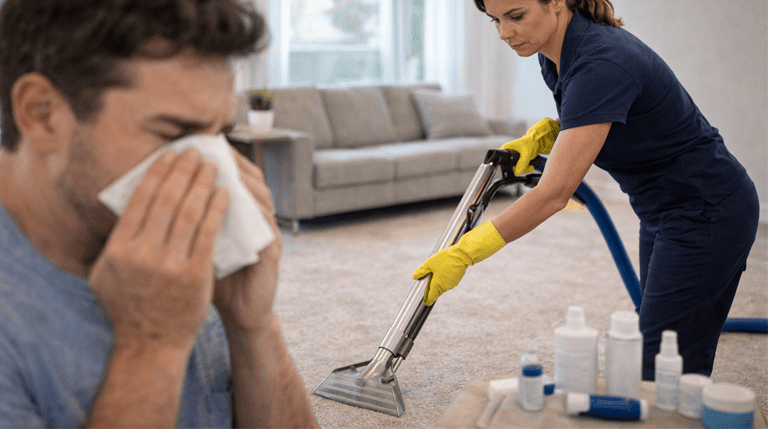
For individuals battling allergies, the carpets in their homes can often serve as hidden reservoirs of microscopic irritants. Implementing a rigorous and informed carpet cleaning for allergies strategy is paramount for mitigating symptoms and fostering a healthier living environment. This guide delves into the technical aspects of effectively removing common allergens like dust mites, pet dander, and mold spores from your carpets.
Understanding the Allergen Landscape in Carpets
Carpets, by their very nature, trap particulate matter from the air and the environment. These microscopic particles include dust mites, their feces, pet dander, pollen, and even mold spores if humidity levels are high. These are primary triggers for allergic reactions and asthma symptoms. Therefore, understanding what you’re trying to remove is the first step in an effective carpet cleaning for allergies protocol.
The Role of Dust Mites
Dust mites are microscopic arachnids that thrive in warm, humid environments and feed on dead skin cells. Their waste products are a potent allergen. Carpets provide an ideal habitat, offering a consistent food source and shelter. Regular, thorough cleaning is crucial to disrupt their life cycle and reduce their population.
Effective Carpet Cleaning Techniques for Allergy Sufferers
Achieving significant allergy relief requires more than just a superficial vacuum. A multi-faceted approach incorporating advanced techniques and specific products is essential. Consider these methods for a deep and effective clean.
Vacuuming: The First Line of Defense
Frequency is Key: Vacuum your carpets at least twice a week, and more often in high-traffic areas. HEPA Filter is Non-Negotiable: Always use a vacuum cleaner equipped with a High-Efficiency Particulate Air (HEPA) filter.
This type of filter is designed to trap microscopic particles, preventing them from being re-released into the air. Proper Technique: Use slow, overlapping strokes to ensure thorough extraction. Go over each area multiple times.
Consider using a vacuum with adjustable height settings to optimize suction for your carpet pile.
Deep Cleaning Methods
Beyond routine vacuuming, periodic deep cleaning is vital for removing deeply embedded allergens.
Steam Cleaning (Hot Water Extraction)
Steam cleaning, also known as hot water extraction, is widely considered one of the most effective methods for carpet cleaning for allergies. This process involves injecting hot water and cleaning solution deep into the carpet fibers and then immediately extracting the water, dirt, and allergens with a powerful vacuum.
Benefits:
- Effectively removes embedded allergens.
- Sanitizes the carpet, killing bacteria and dust mites.
- Rinses away detergent residue, which can otherwise attract dirt.
Considerations:
- Ensure thorough drying to prevent mold growth. Good ventilation is crucial.
- Use hypoallergenic cleaning solutions if possible.
Encapsulation Cleaning
Encapsulation is a professional method that uses polymers to encapsulate dirt and allergens into crystalline forms. These crystals are then easily removed during subsequent vacuuming. This method is effective for lightly soiled carpets and can be a good option for frequent cleaning between deep cleans.
Choosing the Right Cleaning Solutions
When selecting cleaning products for your carpets, opt for those labeled as hypoallergenic, low-VOC (Volatile Organic Compounds), and fragrance-free. Harsh chemicals can exacerbate respiratory issues. Always test any new cleaning solution in an inconspicuous area of the carpet first.
Professional Carpet Cleaning for Optimal Allergy Relief
While DIY methods are beneficial, professional carpet cleaning for allergies can offer a superior level of clean. Professional services often have more powerful equipment and specialized knowledge to tackle stubborn allergens.
When to Call a Professional:
- If you have severe allergies or asthma.
- For a thorough deep clean at least once or twice a year.
- To address specific issues like mold or pet accidents.
When selecting a professional cleaner, inquire about their cleaning methods and the types of solutions they use. Look for certifications related to allergen control or indoor air quality.
Maintaining a Cleaner Home Environment
Beyond carpet care, consider these additional steps for broader allergy relief:
- Regular dusting: Use a damp microfiber cloth to trap dust.
- Air purification: Invest in an air purifier with a HEPA filter for your main living areas.
- Window treatments: Opt for washable curtains or blinds.
- Bedding: Wash bedding frequently in hot water.
Frequently Asked Questions about Carpet Cleaning for Allergies
Q1: How often should I vacuum for carpet cleaning for allergies?
A1: For effective allergy management, it’s recommended to vacuum at least twice a week, with more frequent vacuuming in high-traffic areas.
Q2: What is the best carpet cleaning method for dust mites?
A2: Hot water extraction (steam cleaning) is highly effective for eliminating dust mites as the heat and extraction process physically remove them and their allergens.
Q3: Are professional carpet cleaning services worth it for allergy sufferers?
A3: Yes, professional services often use more powerful equipment and specialized solutions, leading to a deeper clean and potentially better allergy relief than DIY methods.
Q4: Can essential oils be used for carpet cleaning for allergies?
A4: While some essential oils have antimicrobial properties, they can also be allergens or irritants for sensitive individuals. It’s generally safer to stick to hypoallergenic, fragrance-free cleaning solutions.
Q5: What is the difference between steam cleaning and dry carpet cleaning for allergies?
A5: Steam cleaning uses hot water and extraction for a deep clean, which is excellent for removing allergens. Dry cleaning methods use less moisture and may be less effective at removing deeply embedded allergens.
Q6: How can I prevent mold growth after carpet cleaning?
A6: Ensure good ventilation by opening windows and using fans or dehumidifiers to speed up the drying process after wet cleaning methods.
Conclusion: A Breath of Fresh Air
Implementing a consistent and informed carpet cleaning for allergies strategy is a cornerstone of managing allergy symptoms effectively. By understanding the nature of carpet-bound allergens and employing the right cleaning techniques – from frequent HEPA-filtered vacuuming to periodic professional deep cleans – you can significantly reduce triggers in your home.
This proactive approach not only enhances indoor air quality but also contributes to a more comfortable and healthier living space, allowing you to truly breathe easier.
—
Ready to take the first step towards a cleaner, healthier home? Contact us today for a personalized consultation and let us help you create an effective carpet cleaning plan tailored to your specific allergy needs!