The Science Behind Carpet Allergens
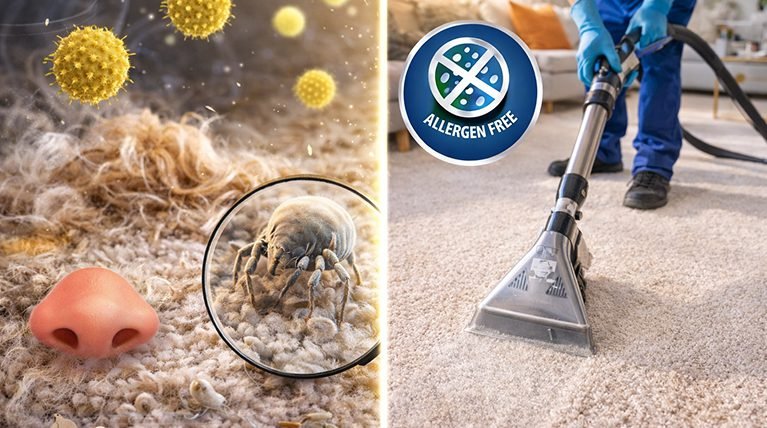
Carpets act as natural filters for your home, trapping airborne particles that would otherwise circulate in the air. While this is beneficial in one sense, it means that carpets can become a concentrated reservoir of allergens. Dust mites thrive in the warm, humid microclimate of carpet fibers, feeding on shed skin cells. Pet dander, microscopic flakes of skin from animals, also readily accumulates. Furthermore, spills and moisture can lead to mold growth, releasing allergenic spores.
Understanding Key Allergens
- Dust Mites: Microscopic arachnids that feed on organic matter. Their waste products are a common allergen.
- Pet Dander: Tiny skin cells shed by cats, dogs, and other furry pets.
- Pollen: Carried indoors on shoes and clothing, pollen can become embedded in carpet fibers.
- Mold Spores: Thrive in damp conditions, often found in poorly ventilated areas or areas prone to moisture.
Strategic Carpet Cleaning for Allergen Reduction
Effective
carpet cleaning allergy strategies involve more than just a routine vacuum. A multi-faceted approach is necessary to truly minimize allergen levels. This includes regular, thorough vacuuming with a high-efficiency particulate air (HEPA) filter, considering professional deep cleaning periodically, and employing appropriate cleaning solutions. Furthermore, establishing a consistent cleaning schedule is fundamental.
The Importance of HEPA Filtration
When vacuuming, always opt for a vacuum cleaner equipped with a HEPA filter. Standard filters can recirculate fine allergen particles back into the air. A HEPA filter is designed to trap at least 99.97% of airborne particles 0.3 micrometers in diameter, significantly improving indoor air quality. Regular vacuuming, at least twice weekly in high-traffic areas, is essential for dust mite and dander removal.
Deep Cleaning Methods
- Hot Water Extraction (Steam Cleaning): This method uses hot water and specialized cleaning solutions to penetrate deep into carpet fibers, effectively removing embedded allergens and dirt. It is highly recommended for allergy sufferers.
- Dry Cleaning: While less effective for deep allergen removal than hot water extraction, certain dry cleaning methods can be suitable for sensitive individuals or for more frequent, lighter cleaning.
DIY Allergy-Friendly Carpet Care
While professional cleaning offers a thorough solution, consistent DIY maintenance is equally vital for maintaining an
carpet cleaning allergy-free home. Employing natural cleaning solutions and focusing on preventative measures can make a significant difference between your cleaning sessions. Remember to always test any new cleaning solution on an inconspicuous area of the carpet first.
Natural Cleaning Solutions
For those concerned about harsh chemicals, several natural options can be effective. Baking soda, for instance, is a natural deodorizer and can help absorb moisture and allergens. A solution of white vinegar and water can also be used for spot cleaning and disinfection. For more intensive cleaning, consider eco-friendly, hypoallergenic carpet cleaning products specifically formulated for allergy sufferers.
Professional Carpet Cleaning: A Deeper Clean
For severe allergies or for a truly comprehensive allergen removal, professional
carpet cleaning allergy services are often the most effective solution. Professionals have access to industrial-grade equipment and specialized cleaning agents that can tackle even the most stubborn allergens. When selecting a service, inquire about their methods, cleaning solutions, and experience with allergy-friendly cleaning.
When to Call the Professionals
- Infrequent but deep cleaning: Annually or bi-annually for a thorough reset.
- Severe allergies: To address significant allergen buildup.
- Pet accidents or mold concerns: To ensure complete removal and sanitization.
Maintaining an Allergy-Free Carpeted Environment
Beyond cleaning, preventative measures are key. Using doormats at entrances to trap dirt and allergens before they enter the home is a simple yet effective strategy. Consider removing shoes at the door altogether. For homes with pets, regular grooming of your pets can reduce dander shedding.
Additional Tips
- Control humidity: Keep indoor humidity levels between 30-50% to deter dust mites.
- Ventilation: Ensure good airflow in your home.
- Allergy-proof covers: Use these on mattresses and pillows.
- Regularly wash bedding: In hot water.
Conclusion
Achieving an allergy-free home is an ongoing process, and effective
carpet cleaning allergy management is a cornerstone of this effort. By implementing a consistent cleaning routine that includes thorough vacuuming with HEPA filtration, considering professional deep cleaning, and utilizing natural or hypoallergenic solutions, you can significantly reduce the presence of allergens in your carpets.
This dedication to a cleaner carpeted environment will undoubtedly lead to improved indoor air quality and a healthier living space for you and your family.
Frequently Asked Questions
- What is the best way to clean carpets for allergy relief?
The most effective way involves regular vacuuming with a HEPA filter and periodic professional hot water extraction cleaning.
- Can I effectively clean my carpets for allergies myself?
Yes, with consistent vacuuming using a HEPA filter and employing natural or hypoallergenic cleaning solutions for spot treatments and lighter cleaning.
- How often should I deep clean my carpets for allergy-free living?
For allergy sufferers, professional deep cleaning once to twice a year is generally recommended, depending on allergen severity and household factors.
- Are there specific carpet cleaning products that are better for allergy sufferers?
Look for hypoallergenic, fragrance-free, and low-VOC (Volatile Organic Compound) carpet cleaning products.
- How do dust mites in carpets contribute to allergies?
Dust mites themselves are not the allergen, but their waste products and decaying bodies contain proteins that trigger allergic reactions in sensitive individuals.
- What’s the difference between steam cleaning and hot water extraction for carpet cleaning allergy control?
While often used interchangeably, hot water extraction is the more precise term for the professional method that injects hot water and solution into the carpet and then extracts it, which is highly effective for allergen removal.
Ready to breathe easier? Invest in your home’s health with our comprehensive carpet cleaning strategies.
Contact a professional carpet cleaning service today to schedule your deep clean and take the first step towards a truly allergy-free home!