Hospitality Venue Cleaning Guide
Maintaining impeccable hygiene is paramount for any hospitality venue. From bustling hotels to elegant event spaces,
hospitality venue cleaning is not merely about aesthetics; it directly impacts guest satisfaction, brand reputation, and ultimately, profitability. A comprehensive cleaning strategy ensures a safe, welcoming, and memorable experience for every visitor.
The Cornerstone of Guest Satisfaction: Cleanliness
First impressions are critical in the hospitality industry. A clean environment immediately communicates professionalism and attention to detail. Conversely, even minor lapses in cleanliness can lead to negative reviews and deter potential patrons. Therefore, developing robust
venue hygiene protocols is an indispensable aspect of operational excellence.
High-Touch Surfaces: A Microbial Hotspot
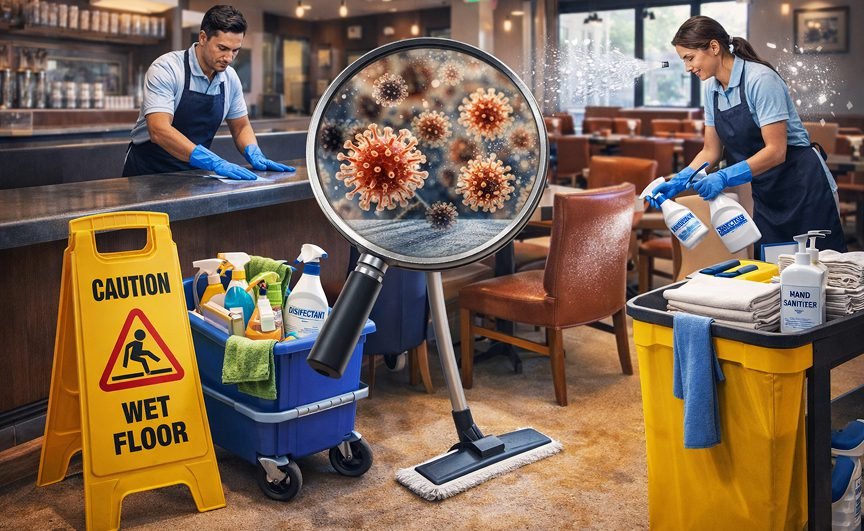
In any high-traffic area, certain surfaces are touched repeatedly by guests and staff. These include doorknobs, light switches, handrails, tabletops, and counter areas. Consequently, these areas require frequent and thorough sanitization. Utilizing EPA-approved disinfectants is crucial for eliminating harmful pathogens and ensuring a safe environment for everyone.
Developing Effective Cleaning Protocols
A well-defined cleaning plan is the backbone of efficient
hospitality venue cleaning. This plan should outline specific tasks, frequency of cleaning, designated responsibilities, and the appropriate cleaning agents and equipment for each area. Furthermore, regular training for cleaning staff ensures adherence to established standards.
Daily Cleaning Routines
Daily tasks form the foundation of maintaining a clean venue. This typically includes general tidying, vacuuming/sweeping floors, wiping down surfaces in common areas, cleaning restrooms, and emptying trash receptacles. For restaurants, this also extends to kitchen sanitation and dining area upkeep after each service.
Weekly and Monthly Deep Cleaning
Beyond daily routines, a schedule for deeper cleaning is essential. Weekly tasks might involve more intensive floor scrubbing, cleaning windows, and dusting hard-to-reach areas. Monthly or quarterly deep cleaning could include sanitizing ventilation systems, carpet shampooing, and detailed cleaning of chandeliers or complex fixtures.
Specialized Cleaning for Different Hospitality Sectors
The specific cleaning needs vary across different hospitality sectors. For instance, a hotel requires meticulous attention to guest rooms, lobbies, and common facilities. Conversely, a restaurant must prioritize kitchen hygiene, dining areas, and restrooms. Event venues, with their transient nature, demand efficient turnover cleaning between events.
Hotel Room Sanitization
Guest room cleanliness is directly linked to guest reviews. Thorough cleaning of bathrooms, bedding changes, dusting, vacuuming, and sanitizing frequently touched items like remote controls and light switches are standard procedures.
Restaurant Kitchen Hygiene
Kitchens are the heart of any food service establishment and demand the highest standards of hygiene. This includes regular deep cleaning of cooking equipment, surfaces, floors, and storage areas. Proper waste disposal and pest control are also vital components.
Utilizing the Right Cleaning Tools and Agents
The selection of cleaning tools and agents significantly impacts the effectiveness and efficiency of
venue hygiene efforts. Investing in high-quality, durable cleaning equipment and using appropriate, eco-friendly cleaning solutions can make a substantial difference.
Sustainable Cleaning Practices
Adopting sustainable cleaning practices benefits both the environment and the venue’s image. This involves using biodegradable cleaning agents, water-saving techniques, and microfiber cloths that reduce waste and chemical usage.
Frequently Asked Questions About Hospitality Venue Cleaning
- What are the most critical areas for hospitality venue cleaning?
The most critical areas for
hospitality venue cleaning include high-touch surfaces, restrooms, dining areas, and guest rooms, as these directly impact guest experience and health.
- How often should restrooms be cleaned in a busy venue?
Restrooms in busy venues should be checked and tidied multiple times a day and thoroughly cleaned and sanitized at least daily.
- What are the key components of an effective venue hygiene plan?
Key components include daily, weekly, and monthly cleaning schedules, staff training, proper equipment and agent selection, and regular quality checks.
- How does regular cleaning contribute to positive guest reviews?
Consistent and visible
hospitality venue cleaning creates a welcoming and safe environment, directly contributing to a positive guest experience and favorable reviews.
- Are there specific cleaning requirements for event venues?
Yes, event venues require rapid and thorough cleaning between events to ensure a fresh start for each new booking, focusing on guest-facing areas.
- What is the role of professional cleaning services in hospitality?
Professional cleaning services can offer expertise, specialized equipment, and trained staff to ensure consistent high standards of
venue hygiene, freeing up venue management to focus on core operations.
Conclusion: Elevating the Guest Experience Through Cleanliness
In conclusion, a meticulous approach to
hospitality venue cleaning is not a mere operational task but a strategic investment in guest satisfaction and long-term success. By implementing comprehensive protocols, utilizing the right resources, and fostering a culture of cleanliness, hospitality venues can consistently provide an environment that guests remember for all the right reasons.
Prioritizing
venue hygiene ensures a superior guest experience, building trust and encouraging repeat business.
Ready to elevate your venue’s cleanliness standards? Contact us today to learn how our expert cleaning solutions can transform your guest experience!