Cleaning Mistakes Homeowners Should Avoid
Maintaining a clean and healthy home environment is a priority for most homeowners. However, despite best intentions, certain ingrained habits and misconceptions can lead to ineffective cleaning, or worse, damage to surfaces and materials.
Understanding and rectifying these common
cleaning mistakes is crucial for achieving truly pristine results and prolonging the life of your home’s fixtures and finishes. Let’s delve into the prevalent errors people make and how to steer clear of them.
Overlooking Surface-Specific Cleaning Agents
One of the most prevalent
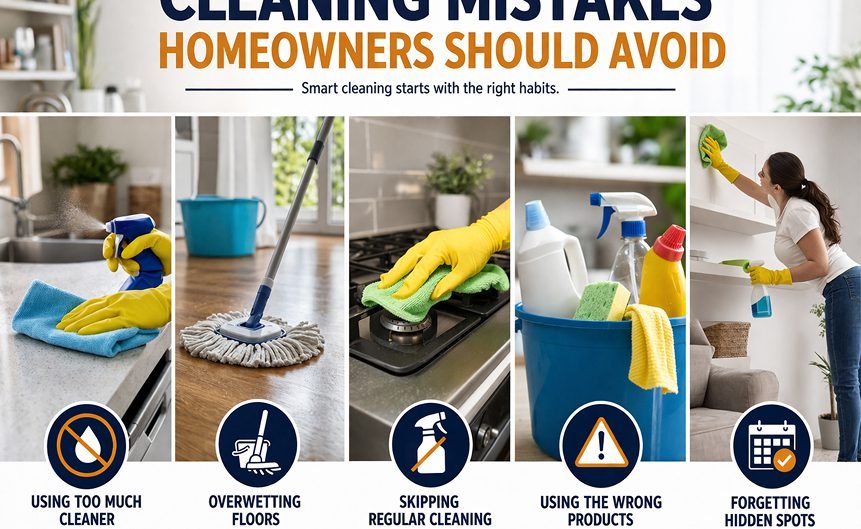
cleaning mistakes is the indiscriminate use of cleaning products. Many homeowners assume a general-purpose cleaner is suitable for all surfaces. This approach can be detrimental. For instance, using acidic cleaners on natural stone like marble can etch the surface, while abrasive scrubbers can scratch delicate materials such as stainless steel or glass. It is imperative to consult product labels and understand the composition of your surfaces.
The Myth of Bleach as a Universal Disinfectant
While bleach is a powerful disinfectant, its misuse is a common pitfall. Mixing bleach with ammonia or other cleaning agents can produce toxic fumes. Furthermore, bleach can discolor fabrics and damage certain materials. For everyday disinfection, consider alternatives like hydrogen peroxide or specialized disinfectants that are gentler on surfaces and safer for mixing with other cleaners. Always ensure adequate ventilation when using bleach.
Incorrect Use of Cleaning Tools
The tools we employ for cleaning are as important as the agents we use. A significant
cleaning mistake is using the wrong type of cloth or brush. For example, using paper towels on high-gloss surfaces can leave lint and streaks.
Similarly, stiff-bristled brushes might seem effective for tough grime but can scratch delicate finishes. Opt for microfiber cloths for dusting and polishing, and soft sponges for general cleaning. For grout or stubborn stains, a dedicated grout brush is ideal.
The Danger of Over-Wetting Surfaces
Another common error is over-wetting surfaces, particularly wooden floors and countertops. Excessive moisture can lead to warping, staining, and the growth of mold and mildew. Always wring out mops and sponges thoroughly before applying them to surfaces. For wooden floors, use a wood-specific cleaner and a damp (not wet) mop. For countertops, wipe down with a damp cloth and then dry immediately.
Neglecting Regular Deep Cleaning
While daily tidying is essential, neglecting more thorough, periodic deep cleaning can lead to the accumulation of stubborn grime and bacteria. This is a significant oversight in effective home maintenance. Deep cleaning involves tackling areas often overlooked in routine cleaning, such as behind appliances, inside cabinets, and along baseboards. Establishing a schedule for these tasks ensures a consistently hygienic living space.
Ineffective Dusting Techniques
Dusting is often perceived as a simple wipe-down, but improper technique can actually spread dust around. Using a dry cloth can simply redistribute fine particles into the air, which then settle back onto surfaces. A better approach is to use a damp microfiber cloth, which traps dust effectively. For hard-to-reach areas, consider using an electrostatic duster or a vacuum cleaner with a brush attachment.
Skipping Ventilation During Cleaning
Adequate ventilation is a crucial but frequently overlooked aspect of cleaning. Many cleaning products contain volatile organic compounds (VOCs) that can be harmful when inhaled, especially in poorly ventilated spaces. Always open windows and doors to allow fresh air to circulate while you clean. If ventilation is limited, consider using a fan to help move air out of the room. This is a simple yet vital step to ensure a healthier home environment.
The Pitfall of “Cleaning” Without Actually Sanitizing
There’s a distinction between cleaning and sanitizing. Cleaning removes visible dirt and debris, while sanitizing reduces the number of bacteria and viruses to a safe level. Many people clean surfaces but fail to sanitize them effectively, especially in high-traffic areas like kitchens and bathrooms. Ensure you are using appropriate sanitizing agents and following their recommended contact times for maximum effectiveness.
Frequently Asked Questions About Cleaning Mistakes
- What are the most common cleaning mistakes homeowners make?
Some of the most common
cleaning mistakes include using the wrong cleaning products for surfaces, over-wetting floors, and neglecting ventilation.
- Is it a mistake to use bleach on all surfaces?
Yes, it is often a mistake to use bleach indiscriminately. It can damage certain materials and react dangerously with other chemicals.
- How can I avoid scratching my stainless steel appliances when cleaning?
Avoid abrasive cleaners and scrubbers. Use a soft microfiber cloth and a dedicated stainless steel cleaner to prevent scratches and streaks.
- What is the best way to dust to prevent spreading particles?
The best way to dust is with a slightly damp microfiber cloth, which effectively traps dust rather than scattering it.
- Should I always ventilate when cleaning?
Yes, it is highly recommended to always ventilate when cleaning to allow harmful fumes from cleaning products to dissipate.
- What’s the difference between cleaning and sanitizing?
Cleaning removes dirt and grime, while sanitizing reduces the number of germs to a safe level. Both are important for a hygienic home.
Conclusion: Elevate Your Home Cleaning Routine
By actively avoiding these common
cleaning mistakes, you can significantly enhance the effectiveness of your cleaning efforts, protect your home’s surfaces, and create a healthier living space. Small adjustments in product selection, tool usage, and technique can lead to a dramatically cleaner and more inviting home. Embrace these
home cleaning tips and transform your routine from mundane chores into a rewarding process of home care.
Ready to tackle those cleaning challenges with confidence? Explore our range of eco-friendly cleaning products and professional cleaning guides to ensure your home is always sparkling clean and healthy.
Shop now and discover the difference!