Restaurant Cleaning Tips for Hygiene
Maintaining impeccable hygiene in a restaurant is not merely a recommendation; it’s a critical operational imperative. For establishments in the food service industry, implementing effective restaurant cleaning tips for hygiene directly impacts customer trust, regulatory compliance, and ultimately, profitability.
Neglecting sanitation can lead to serious health code violations, foodborne illnesses, and reputational damage. Therefore, a systematic approach to cleaning is paramount.
Daily Cleaning Regimen: The Foundation of Hygiene
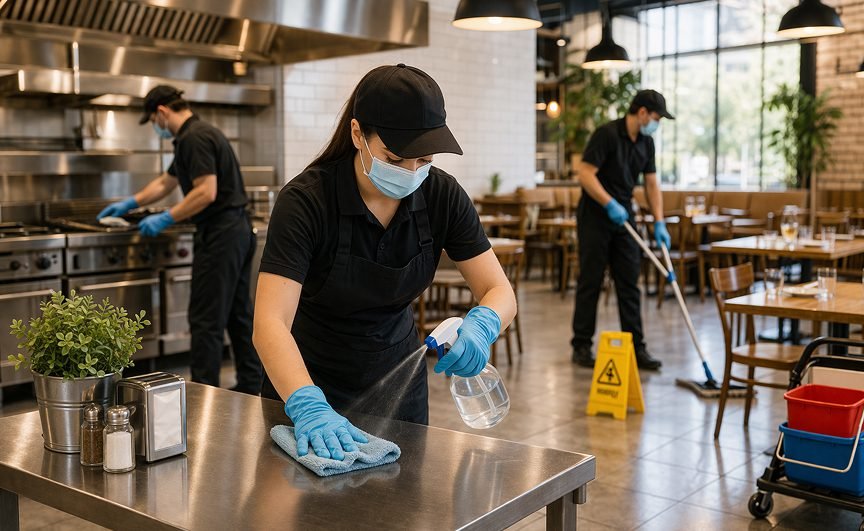
A robust daily cleaning schedule forms the bedrock of exceptional restaurant hygiene. This involves meticulous attention to high-touch surfaces and immediate post-service sanitation. For instance, countertops, prep tables, and serving areas should be wiped down and disinfected after each use, not just at the end of a shift. Furthermore, ensuring all equipment, from ovens to refrigerators, is cleaned internally and externally daily is crucial.
Kitchen Equipment Sanitation
Sanitizing kitchen equipment requires a focused approach. Ovens, griddles, and fryers need degreasing and thorough cleaning to prevent grease buildup, which can harbor bacteria. Refrigerators and freezers demand regular wiping down of shelves and interiors to eliminate spills and prevent cross-contamination. Don’t forget smaller items like cutting boards, knives, and utensils; these must be washed, rinsed, and sanitized after every use.
Deep Cleaning Protocols: Beyond the Surface
While daily cleaning is vital, a comprehensive deep cleaning strategy addresses areas often overlooked in routine maintenance. These protocols are typically performed weekly or monthly and involve more intensive cleaning of less frequently accessed areas. For example, this includes cleaning behind appliances, under equipment, and high shelves.
Floor and Wall Maintenance
Restaurant floors can accumulate grease, food debris, and other contaminants. Daily sweeping and mopping are essential, but deep cleaning involves scrubbing to remove ingrained grime. Similarly, walls, especially in cooking areas, need regular cleaning to remove grease splatters. Using appropriate degreasers and disinfectants ensures these surfaces remain hygienic.
Restroom and Dining Area Cleanliness
Hygiene extends beyond the kitchen to customer-facing areas. Restrooms must be cleaned and disinfected multiple times daily. This includes toilets, sinks, floors, and door handles. The dining area also requires consistent attention. Tables and chairs should be wiped down between seatings, and floors should be kept free of debris.
Staff Hygiene Practices
Integral to effective restaurant cleaning tips for hygiene is the consistent practice of good personal hygiene by all staff members. This includes frequent handwashing, proper glove usage when necessary, and adherence to dress codes. Training staff on the importance of their role in maintaining hygiene standards is as crucial as the cleaning process itself.
Waste Management and Pest Control
Effective waste management is a cornerstone of restaurant hygiene. Regularly emptying trash bins, cleaning them thoroughly, and ensuring they are properly sealed minimizes odors and prevents pest attraction. Implementing a robust pest control program, alongside good sanitation, is crucial to prevent infestations that can compromise food safety.
Implementing a Cleaning Schedule
A detailed cleaning schedule, outlining tasks, frequency, and assigned personnel, is indispensable. This visual aid ensures accountability and consistency. Regularly review and update the schedule based on operational needs and any emerging hygiene concerns.
Frequently Asked Questions About Restaurant Cleaning
Q1: What are the most important restaurant cleaning tips for hygiene?
A1: Key restaurant cleaning tips for hygiene include daily sanitation of all surfaces, regular deep cleaning of equipment, meticulous restroom upkeep, and strict staff hygiene protocols.
Q2: How often should kitchen equipment be cleaned for optimal hygiene?
A2: High-contact kitchen equipment should be cleaned and sanitized after each use, with deeper cleaning of ovens, fryers, and refrigerators on a daily or weekly basis to ensure proper hygiene.
Q3: What is the role of pest control in restaurant cleaning and hygiene?
A3: Effective pest control is vital for maintaining restaurant cleaning and hygiene by preventing infestations that can spread diseases and contaminate food.
Q4: Are there specific cleaning agents recommended for restaurant hygiene?
A4: Yes, it’s crucial to use food-grade sanitizers and degreasers recommended for commercial kitchen environments to achieve optimal restaurant cleaning and hygiene.
Q5: How can we train staff on restaurant cleaning tips for better hygiene?
A5: Training should be hands-on, cover all aspects of daily and deep cleaning, emphasize the importance of hygiene for food safety, and include regular refreshers on restaurant cleaning tips.
Conclusion: Prioritizing Hygiene for a Thriving Business
In conclusion, mastering restaurant cleaning tips for hygiene is a non-negotiable aspect of successful restaurant management. A proactive, systematic approach that integrates daily tasks, deep cleaning protocols, staff training, and vigilant waste management will not only ensure compliance with health regulations but also foster a reputation for excellence and safety.
By prioritizing these essential restaurant cleaning tips, you cultivate a trustworthy environment for your patrons and a healthier workplace for your team, paving the way for sustained growth and customer loyalty.
Ready to elevate your restaurant’s hygiene standards? Contact us today for a personalized consultation on implementing the most effective restaurant cleaning tips for your establishment.