Carpet Cleaning Tips for Better Indoor Air
Maintaining optimal indoor air quality is paramount for the health and well-being of occupants. Among the most overlooked sources of airborne contaminants are carpets, which act as significant reservoirs for dust, allergens, pet dander, and volatile organic compounds (VOCs).
Therefore, implementing effective carpet cleaning tips is not merely about aesthetics; it’s a critical component of improving overall indoor air quality. This article will delve into practical strategies to keep your carpets clean and contribute to a healthier home environment.
Understanding Carpet Contaminants and Their Impact
Carpets, due to their fibrous nature, readily trap particles that can negatively affect indoor air. These include microscopic allergens like dust mites, pollen, mold spores, and pet dander, all of which can trigger respiratory issues, allergies, and asthma symptoms.
Furthermore, carpets can absorb VOCs emitted from cleaning products, furniture, and building materials. When these VOCs are released back into the air, they can contribute to headaches, dizziness, and other health concerns.
Addressing these issues through diligent cleaning is essential.
The Role of Regular Vacuuming
Consistent and thorough vacuuming is the cornerstone of effective carpet care and a key element in our carpet cleaning tips. It’s advisable to vacuum high-traffic areas at least two to three times a week, and less frequented areas weekly. Crucially, invest in a vacuum cleaner equipped with a HEPA (High-Efficiency Particulate Air) filter. A HEPA filter traps a significantly higher percentage of fine particles, preventing them from being recirculated into the air you breathe.
Make sure to use slow, overlapping passes with your vacuum cleaner. This ensures that the suction has ample time to lift embedded dirt and allergens from deep within the carpet fibers. Don’t forget to vacuum under furniture and along the edges of rooms, as these areas often accumulate substantial amounts of dust and debris.
Deep Cleaning Methods for Enhanced Air Quality
While regular vacuuming is vital, periodic deep cleaning is indispensable for comprehensive allergen removal. This process tackles the contaminants that vacuuming alone cannot reach, significantly boosting your home’s indoor air quality.
Steam Cleaning (Hot Water Extraction)
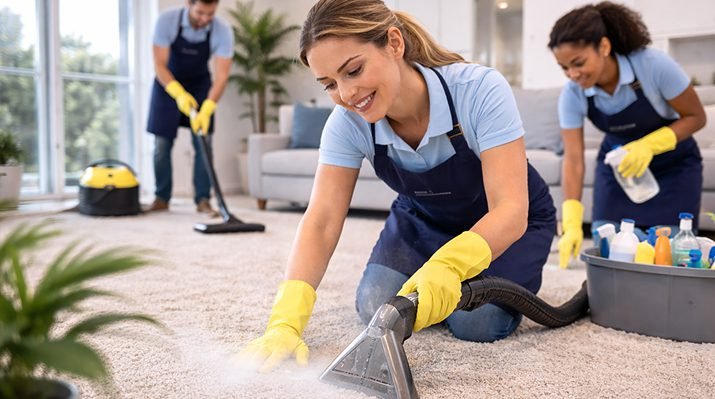
Steam cleaning, also known as hot water extraction, is widely considered one of the most effective methods for deep carpet cleaning. This technique involves injecting a solution of hot water and cleaning agents into the carpet fibers, which then loosens embedded dirt and grime. A powerful vacuum then extracts the water, along with the dissolved contaminants.
This method is highly effective at removing dust mites, bacteria, and stubborn stains. It also helps to sanitize the carpet, reducing the presence of microbial growth. When opting for professional steam cleaning, ensure they use eco-friendly cleaning solutions to minimize the introduction of new VOCs into your home.
Professional Cleaning Services
For optimal results and peace of mind, consider engaging professional carpet cleaning services periodically. Professionals possess specialized equipment and expertise to tackle various carpet types and stubborn contaminants. They can identify specific issues, such as mold growth or heavy soiling, and apply the most appropriate cleaning methods.
Furthermore, professional cleaners often use industrial-grade cleaning solutions and equipment that deliver a deeper clean than most domestic machines. This thoroughness is crucial for significantly improving indoor air quality.
Spot Cleaning and Stain Removal Techniques
Accidental spills are inevitable, and prompt, correct spot cleaning can prevent permanent stains and the proliferation of mold or mildew, thereby contributing to better indoor air quality. Always blot, never rub, a spill to avoid spreading the stain and damaging the carpet fibers.
Use a clean white cloth or paper towel and work from the outside of the stain inward. Test any cleaning solution on an inconspicuous area of the carpet first to ensure it doesn’t cause discoloration. For tougher stains, consult specific stain removal guides for your carpet type.
Choosing the Right Cleaning Products
The products you use for carpet cleaning can significantly impact your indoor air quality. Many conventional cleaning products contain harsh chemicals and VOCs that can be released into the air during and after cleaning.
Opt for environmentally friendly or natural cleaning solutions whenever possible. Look for products that are certified as low-VOC or free from harmful chemicals like phthalates and synthetic fragrances. Alternatively, consider DIY solutions using ingredients like white vinegar or baking soda, which are effective and significantly less harmful.
Maintaining a Healthy Carpeted Environment
Beyond cleaning, several practices contribute to maintaining a healthier carpeted environment. Placing doormats at all entryways can trap a significant amount of dirt and debris before it enters your home. Encouraging household members to remove their shoes indoors further reduces the amount of external contaminants tracked onto carpets.
Regularly cleaning or replacing air filters in your HVAC system is also crucial. A clean filter ensures that your system doesn’t recirculate dust and allergens from the air. Consider consulting [Your Website Name]’s guide on HVAC maintenance for more detailed information.
Frequent Ask Questions About Carpet Cleaning and Indoor Air
- How often should I perform deep carpet cleaning for better indoor air quality?
For optimal indoor air quality, it’s recommended to deep clean carpets at least once every 12-18 months. Homes with pets or allergies may benefit from cleaning every 6 months.
- What are the best carpet cleaning tips for removing pet dander and allergens?
The best carpet cleaning tips for allergens involve using a HEPA filter vacuum daily and performing regular steam cleaning with pet-safe, hypoallergenic solutions.
- Can carpet cleaning actually improve my allergies?
Yes, effective carpet cleaning significantly reduces the presence of allergens like dust mites, pollen, and pet dander, which can dramatically improve allergy symptoms and overall indoor air quality.
- Are DIY carpet cleaning solutions safe for indoor air?
Many DIY solutions using natural ingredients like vinegar and baking soda are generally safe and can be effective for mild cleaning, contributing positively to indoor air quality compared to harsh chemical cleaners.
- What is the impact of VOCs on indoor air quality from carpets?
VOCs emitted from carpets can degrade indoor air quality, leading to respiratory irritation and other health issues. Choosing low-VOC or natural cleaning products and ensuring good ventilation during cleaning is crucial.
- Should I clean my carpets myself or hire a professional for better indoor air?
While DIY can help, professional carpet cleaning often uses more powerful equipment and effective techniques for superior allergen removal and a more significant improvement in indoor air quality.
Conclusion: Invest in Your Health Through Carpet Care
In conclusion, embracing diligent carpet cleaning tips is a powerful yet often underestimated strategy for enhancing indoor air quality and fostering a healthier living environment.
By understanding what contaminates carpets and implementing regular vacuuming, effective deep cleaning, and mindful product choices, you can significantly reduce airborne allergens and irritants. Prioritizing the cleanliness of your carpets is a direct investment in your family’s respiratory health and overall well-being.
Ready to breathe easier? Explore our range of professional cleaning services or find the perfect eco-friendly cleaning products on [Your Website Name] today and take the first step towards a cleaner, healthier home!