House Cleaning for Allergy-Free Living
Living with allergies can significantly impact your quality of life, making your own home feel like a trigger zone. Fortunately, implementing effective house cleaning for allergies can transform your living space into a sanctuary of fresh air. By focusing on specific strategies and maintaining a consistent routine, you can substantially reduce common allergens like dust mites, pet dander, mold spores, and pollen, paving the way for a healthier and more comfortable environment.
Understanding Common Household Allergens
Before diving into cleaning techniques, it’s crucial to understand what triggers allergic reactions within your home. Dust mites, microscopic creatures that thrive in warm, humid environments, are a primary culprit. Their waste products are potent allergens. Pet dander, tiny flakes of skin shed by animals, and saliva can also cause severe reactions. Mold spores, often found in damp areas like bathrooms and kitchens, are another significant allergen.
The Impact of Pollen and Dust
Pollen, a seasonal invader, can easily be tracked indoors on shoes and clothing. Once inside, it settles on surfaces, contributing to your overall allergen load. Similarly, general household dust is a complex mixture that often contains a variety of irritants, including fabric fibers, skin cells, and the aforementioned allergens. Regular and thorough house cleaning for allergies is key to mitigating these issues.
Strategic Cleaning for Allergy Reduction
An effective approach to house cleaning for allergies involves more than just a quick tidy-up. It requires a systematic and detail-oriented method to tackle allergens at their source. The goal is to minimize their presence and circulation throughout your home.
Vacuuming with HEPA Filters
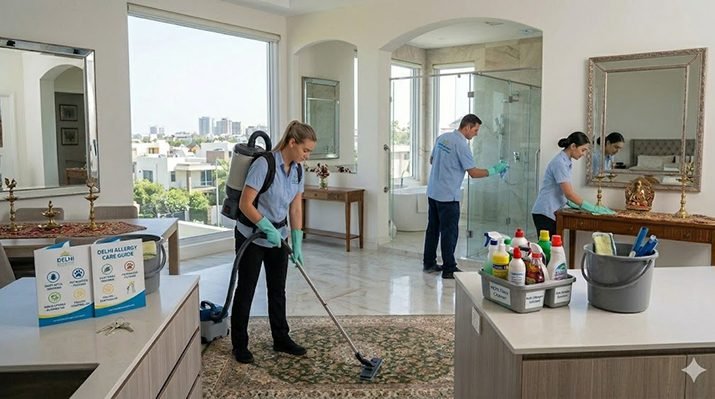
Vacuuming is paramount, but not all vacuums are created equal when it comes to allergy control. For truly effective house cleaning for allergies, opt for a vacuum cleaner equipped with a HEPA (High-Efficiency Particulate Air) filter.
These filters are designed to trap at least 99.97% of airborne particles 0.3 micrometers in size, including dust mite allergens, pollen, and pet dander, preventing them from being re-released into the air.
Vacuum carpets, rugs, and upholstery at least twice a week.
Damp Wiping and Dust Control
Dry dusting can actually stir up allergens and spread them further. Instead, use damp microfiber cloths for wiping down surfaces. Microfiber’s fine fibers effectively capture dust and allergens. Pay close attention to hard-to-reach areas like blinds, ceiling fans, and the tops of furniture. This method ensures that allergens are captured and removed, rather than merely redistributed, which is a cornerstone of house cleaning for allergies.
Tackling Specific Allergen Hotspots
Certain areas in your home are more prone to allergen accumulation and require special attention as part of your allergy-free living strategy. Addressing these hotspots proactively can make a significant difference.
Bedrooms and Bedding
Your bedroom is a prime location for dust mites, which love to reside in mattresses, pillows, and bedding. Wash bedding regularly in hot water (at least 130°F or 54°C) to kill dust mites. Consider using allergen-proof encasements for mattresses and pillows. These zippered covers create a barrier that prevents mites from colonizing and is a crucial step in house cleaning for allergies.
Bathrooms and Kitchens: Combating Mold and Mildew
Damp environments are breeding grounds for mold. Ensure proper ventilation in bathrooms by using exhaust fans during and after showers. Clean grout and tile regularly with a mild bleach solution or vinegar to prevent mold growth. In the kitchen, promptly clean up spills and fix any leaky pipes or faucets to maintain a dry environment. These measures are integral to successful house cleaning for allergies and maintaining allergy-free living.
Improving Indoor Air Quality
Beyond routine cleaning, several steps can actively improve your home’s indoor air quality, further supporting allergy-free living.
Air Purifiers and Filters
Consider using air purifiers with HEPA filters in key areas of your home, especially bedrooms and living rooms. Regularly change the filters in your HVAC system. Using a MERV 13 or higher-rated filter can capture smaller particles, significantly reducing the number of allergens circulating through your home’s ventilation system. This is an advanced yet highly effective method for house cleaning for allergies.
Controlling Humidity Levels
Maintaining optimal indoor humidity levels, ideally between 30% and 50%, can help inhibit dust mite and mold growth. Use a dehumidifier in humid areas and a humidifier in dry climates if necessary. Monitoring and controlling humidity is an often-overlooked but vital component of effective house cleaning for allergies.
Conclusion: Your Pathway to Allergy-Free Living
Implementing these comprehensive house cleaning for allergies strategies is more than just a chore; it’s an investment in your health and well-being. By consistently addressing dust mites, pet dander, mold, and pollen, and by improving your home’s overall air quality, you can create a living space that promotes comfort and reduces allergic reactions. Make these practices a regular part of your routine, and experience the profound benefits of allergy-free living.
—
Frequently Asked Questions About House Cleaning for Allergies
Q1: What is the most effective way to reduce dust mites through house cleaning for allergies?
A1: The most effective method involves regular washing of bedding in hot water, using allergen-proof encasements for mattresses and pillows, and consistent vacuuming with a HEPA filter.
Q2: How often should I vacuum when performing house cleaning for allergies?
A2: For optimal results, vacuum carpets, rugs, and upholstery at least twice a week, ensuring your vacuum has a HEPA filter to capture allergens.
Q3: Are air purifiers essential for allergy-free living?
A3: While not strictly essential, air purifiers with HEPA filters can significantly enhance indoor air quality by trapping airborne allergens, making them a valuable addition to your house cleaning for allergies regimen.
Q4: What should I do about mold in my bathroom as part of house cleaning for allergies?
A4: Ensure good ventilation, clean regularly with a mild bleach or vinegar solution, and address any leaks promptly to prevent mold growth.
Q5: Can I still have pets if I have allergies and focus on house cleaning for allergies?
A5: It’s challenging but possible. Frequent cleaning, HEPA filters, air purifiers, and bathing pets regularly can help manage pet dander levels.
Q6: What is the ideal humidity level for allergy-free living?
A6: The ideal humidity level is between 30% and 50%. This range helps inhibit the growth of dust mites and mold.
—
Take Control of Your Home Environment Today!
Ready to breathe easier and enjoy a healthier home? Start implementing these house cleaning for allergies strategies now. For personalized advice or professional cleaning services that can help you achieve true allergy-free living, explore our resources or contact us today!