Bond Cleaning Guide for Rental Inspections
Successfully navigating your rental inspection hinges significantly on the quality of your bond cleaning. This comprehensive guide will walk you through the essential steps and considerations to ensure your property is presented immaculately, thereby maximizing your chances of securing your full bond deposit. A thorough and systematic approach to end of lease cleaning is paramount, and understanding the landlord’s expectations is key to achieving a positive outcome.
Understanding Rental Inspection Criteria
Rental inspections are formal evaluations conducted by landlords or their agents to assess the property’s condition upon your departure. They typically compare the property’s state to the initial condition report documented at the commencement of your tenancy. Key areas scrutinised include cleanliness, damage, and any alterations made to the property. Therefore, effective bond cleaning must address every aspect that could potentially detract from the property’s pristine state.
The Importance of a Professional End of Lease Clean
While DIY cleaning is an option, professional bond cleaning services offer a level of expertise and thoroughness that is difficult to replicate. Professionals possess the right equipment, cleaning agents, and knowledge to tackle stubborn stains, deep-seated grime, and often overlooked areas. This is particularly beneficial for high-traffic zones and areas prone to build-up, such as ovens, bathrooms, and carpets.
Essential Bond Cleaning Tasks Breakdown
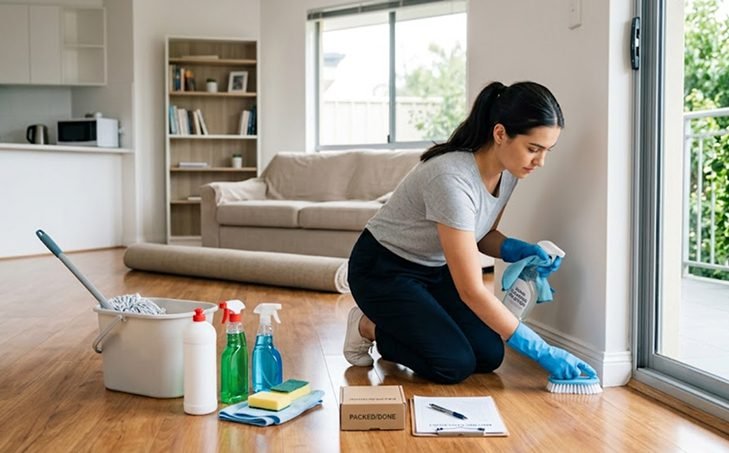
A comprehensive bond cleaning strategy involves tackling various areas of the rental property systematically. It’s not just about a quick wipe-down; it’s about restoring the property to its original, move-in condition. Remember, attention to detail is crucial for a successful rental inspection.
Kitchen Deep Clean
The kitchen is a focal point during any inspection. This includes degreasing and scrubbing the oven interior and exterior, stovetop, rangehood, and exhaust filters. All benchtops, splashbacks, sinks, and taps must be spotless. Don’t forget the inside of cupboards, drawers, and the refrigerator – these often harbour lingering odours and food residue.
Bathroom and Ensuite Sanitisation
Bathrooms require meticulous attention. Descaling shower screens and tiles, cleaning grout, disinfecting toilets and basins, and polishing fixtures are essential. Ensure mirrors are streak-free and floors are thoroughly cleaned. Pay close attention to ventilation fans and exhaust covers, as these can accumulate dust and mould.
Living Areas and Bedrooms
Vacuuming and mopping all floors, dusting all surfaces including skirting boards, light fixtures, and window frames, are standard requirements. Windows should be cleaned inside and out, including tracks and flyscreens. Cobwebs should be removed from ceilings and corners.
Laundry and Other Areas
The laundry area, including the washing machine and dryer, should be cleaned. Any additional spaces like balconies or garages also need to be tidy and clean. Furthermore, consider any specific requirements mentioned in your lease agreement; some might necessitate professional carpet cleaning or pest control as part of the bond cleaning process.
Common Pitfalls to Avoid
Many tenants overlook critical areas, leading to deductions from their bond. For instance, failing to clean the oven thoroughly or leaving behind minor stains on carpets can be costly. Furthermore, assuming that a standard house clean is sufficient for end of lease cleaning is a common mistake. It is vital to understand that bond cleaning is a more intensive, professional-level clean.
Preparing for the Final Inspection
Once the bond cleaning is complete, conduct a final walkthrough yourself. Use the initial condition report as a reference. Take photos of the cleaned areas as evidence of your efforts. This proactive approach can help address any last-minute issues before the official rental inspection takes place.
Frequently Asked Questions About Bond Cleaning
- What is the primary goal of bond cleaning for rental inspections?
The primary goal of bond cleaning for rental inspections is to return the property to the condition it was in at the start of the tenancy, minus fair wear and tear, to ensure the tenant receives their full bond back.
- How long does bond cleaning typically take?
The duration for bond cleaning can vary depending on the property size and its condition, but professional services often estimate between 4-8 hours for an average-sized home.
- Does bond cleaning include carpet steam cleaning?
Often, yes. Many bond cleaning packages include professional carpet steam cleaning, or it may be an optional add-on. Always confirm this with your service provider.
- What happens if the rental inspection fails after bond cleaning?
If the rental inspection fails, you may be given an opportunity to rectify the issues, or the landlord may use part of your bond to pay for the necessary cleaning or repairs.
- Can I do the bond cleaning myself?
Yes, you can perform bond cleaning yourself, but it must meet the same professional standards as a hired service to pass the rental inspection.
- What is the difference between regular cleaning and bond cleaning?
Bond cleaning is a much more intensive, deep clean covering areas often missed in regular cleaning, focusing on restoring the property to a move-in ready state.
Secure Your Bond Deposit with Expert Cleaning
Investing in professional bond cleaning is a strategic move to safeguard your rental bond. Our expert team understands the intricacies of rental inspections and delivers a thorough, top-to-bottom clean that meets and exceeds landlord expectations. Don’t leave your bond to chance; contact us today to schedule your professional bond cleaning service and ensure a smooth, stress-free exit from your rental property.