Carpet Cleaning for Allergy Control
For individuals struggling with allergies and respiratory sensitivities, the battle for breathable indoor air can feel relentless. While many factors contribute to poor air quality, one often overlooked culprit is the carpet underfoot.
Carpet cleaning for allergy control is not merely about aesthetics; it’s a crucial step in mitigating a significant source of common household allergens. Carpets can trap microscopic particles such as dust mites, pet dander, mold spores, and pollen, which are then recirculated throughout your home by HVAC systems.
Regular, effective carpet cleaning is therefore paramount for creating a healthier living environment.
The Allergen Accumulation in Carpets
Carpets, by their very nature, act as large filters for your home’s air. The dense fibers provide an ideal habitat for dust mites, tiny arachnids that thrive on shed skin cells. Their waste products are potent allergens for many people.
Furthermore, pet dander, microscopic flakes of skin, hair, and saliva, adheres readily to carpet fibers and can remain there for extended periods. During warmer, humid months, mold spores can also find a home within carpet padding, especially if there have been any instances of moisture or spills.
This continuous accumulation of allergens means that simply vacuuming, while beneficial, often isn’t enough to remove them entirely.
Understanding Different Types of Allergens
It is important to differentiate the types of allergens commonly found in carpets to appreciate the necessity of comprehensive cleaning. These include:
- Dust Mites: Microscopic organisms that feed on dead skin cells.
- Pet Dander: Tiny skin flakes shed by animals.
- Pollen: Microscopic particles from plants, tracked indoors.
- Mold Spores: Microscopic fungi that grow in damp conditions.
- Dirt and Grime: General particulate matter that exacerbates allergies.
Effective Carpet Cleaning Techniques for Allergies
To effectively combat allergens in your carpets, a thorough and professional approach is typically required. While DIY methods can offer temporary relief, deep cleaning using specialized equipment and solutions is significantly more effective for allergy control.
Professional carpet cleaners utilize high-powered extraction methods that can penetrate deep into the carpet pile, dislodging and removing trapped allergens that vacuums cannot reach. Moreover, they often employ hypoallergenic cleaning solutions that are safe for both your family and your carpets, further reducing potential irritants.
The Power of Hot Water Extraction
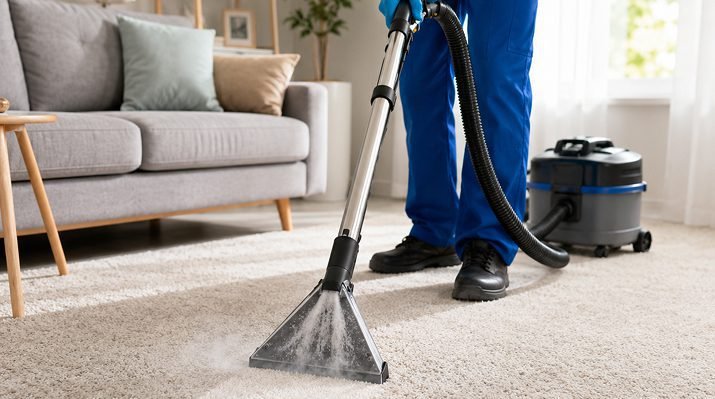
The most recommended method for allergen removal is hot water extraction, often referred to as steam cleaning. This process involves injecting hot water, along with a cleaning solution, deep into the carpet fibers under pressure.
Subsequently, a powerful vacuum immediately extracts the water, dirt, allergens, and cleaning solution. This multi-stage process is highly effective at flushing out contaminants and leaving your carpets hygienically clean.
For individuals with severe allergies, discussing the use of specific anti-allergen solutions with their chosen cleaning service is advisable.
Beyond Surface Cleaning: Deeper Benefits
Implementing a consistent carpet cleaning for allergy control regimen offers benefits that extend beyond immediate symptom relief. By reducing the overall allergen load in your home, you contribute to improved indoor air quality, which can have a cumulative positive effect on respiratory health over time.
This means fewer flare-ups of asthma, reduced congestion, and a generally more comfortable living space for everyone. Furthermore, regular professional cleaning also helps to extend the lifespan of your carpets by preventing the abrasive effects of embedded dirt and debris.
Creating a Healthier Home Environment
A clean carpet is a foundational element of a healthy home. When combined with other air quality improvement strategies, such as regular dusting, air filter replacement, and proper ventilation, it creates a synergistic effect.
Prioritizing carpet cleaning for allergy control is a proactive step towards safeguarding your family’s well-being, especially for vulnerable individuals like children and the elderly, who are often more susceptible to the negative impacts of poor indoor air quality.
Investing in professional cleaning is an investment in your health.
Frequently Asked Questions About Carpet Cleaning and Allergies
Q1: How often should I schedule carpet cleaning for allergy control?
For optimal allergy control, professional carpet cleaning is generally recommended every 6-12 months, depending on household traffic, pet ownership, and the severity of allergies.
Q2: Can regular vacuuming replace professional carpet cleaning for allergies?
While regular vacuuming is essential, it primarily addresses surface-level dirt. Professional carpet cleaning, particularly hot water extraction, is necessary to remove deeply embedded allergens like dust mites and pet dander, crucial for effective allergy control.
Q3: Are there specific carpet cleaning solutions recommended for allergy sufferers?
Yes, many professional carpet cleaning services offer hypoallergenic and low-VOC (Volatile Organic Compound) cleaning solutions that are specifically formulated to be safe for allergy sufferers and can enhance allergy control.
Q4: What is the most effective carpet cleaning method for removing allergens?
Hot water extraction (steam cleaning) is widely considered the most effective method for removing allergens from carpets, as it flushes out contaminants from deep within the fibers.
Q5: Does carpet cleaning remove dust mites effectively?
Yes, thorough carpet cleaning using methods like hot water extraction is highly effective at removing dust mites and their waste products, significantly contributing to allergy control.
Q6: Can mold spores in carpets be removed through cleaning?
Professional carpet cleaning can effectively remove surface mold spores. However, if mold has penetrated the carpet padding or subfloor, professional remediation may be required in addition to cleaning.
Conclusion: A Breath of Fresh Air
In conclusion, the role of carpet cleaning for allergy control cannot be overstated. By understanding the nature of allergens and opting for professional, deep cleaning methods, you can significantly reduce the presence of irritants within your home.
This proactive approach not only alleviates allergy symptoms but also contributes to a healthier, more comfortable living environment for everyone. Don’t let your carpets be a hidden source of discomfort.
Invest in your well-being and experience the difference a truly clean carpet can make.
Ready to transform your home into an allergen-free sanctuary? Contact us today to schedule your professional carpet cleaning and breathe easier!