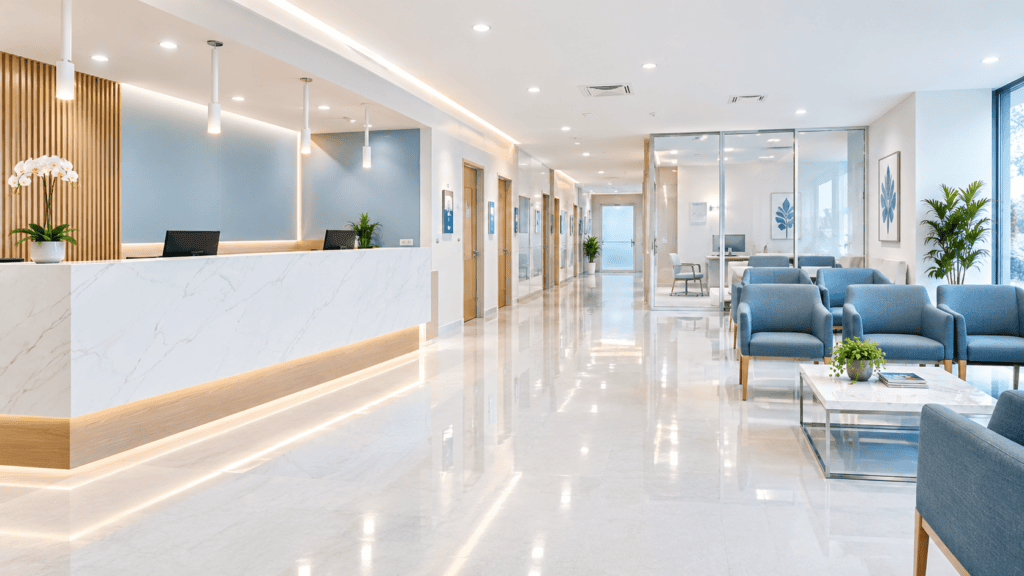
Operating a healthcare facility, GP clinic, or dental practice in South East Queensland requires an absolute commitment to clinical-grade infection control. Therefore, when practice managers want to eliminate cross-contamination and pass stringent accreditation audits, booking expert commercial medical center cleaning Gold Coast and Brisbane services proves absolutely essential. Specifically, high-patient-turnover waiting rooms, treatment bays, and diagnostic laboratories rapidly accumulate airborne pathogens, bloodborne pathogens, and contagious viruses daily. In this comprehensive guide, we expose the critical biological hazards threatening your patients and detail the exact hospital-grade sanitization protocols certified technicians execute to eradicate them. Ultimately, investing in a certified medical cleaning program protects vulnerable patients, shields your staff, and upholds your practice’s professional standing.
3 Critical Biological Hazards Threatening Your Medical Practice
Allowing pathogens to persist on clinical surfaces directly compromises patient safety and invites failed accreditation audits. Consequently, healthcare practice managers must proactively resolve the specific high-risk hazards that standard commercial cleaners routinely overlook.
- 1. Highly Contagious Surface Pathogens: First, dozens of unwell patients touch the exact same waiting room armrests and door handles every hour. Therefore, if your cleaning crew uses basic commercial detergents, viruses like influenza and norovirus remain active for days, whereas our hospital-grade chemistry destroys micro-organisms on contact.
- 2. Cross-Contamination in Treatment Bays: Second, examining tables, blood collection chairs, and diagnostic equipment carry constant risks of bodily fluid exposure. Accordingly, improperly disinfected fixtures can easily transfer healthcare-associated infections (HAIs) between patients, whereas our trained technicians execute clinical terminal cleans between shifts.
- 3. Airborne Bacteria in Restrooms and Bio-Waste Zones: Finally, clinical washrooms and waste disposal rooms generate aerosolized bacteria that settle on surrounding fixtures. Consequently, neglecting chemical descaling and bio-containment leads to foul odors and severe audit non-compliance, whereas our specialized team enforces medical waste protocols safely.
Our Signature 4-Step Clinical Sanitization Protocol
To guarantee a completely sterile, bio-secure, and audit-ready healthcare environment, professional medical cleaners execute a rigorous, multi-stage sanitization strategy.
Step 1: Color-Coded Microfiber Barrier Containment
Preventing cross-contamination between high-risk clinical zones and public waiting areas dictates our operational setup. As a result, strict color-coding protocols remain our foundational priority.
- Technicians deploy separate, dedicated color-coded microfiber equipment for restrooms, clinical treatment rooms, and general waiting areas to prevent cross-contamination.
- Experts utilize HEPA-filtered medical vacuums to capture fine allergens, dead skin, and dust without venting micro-particles back into the indoor air.
Step 2: TGA-Approved Hospital-Grade Disinfection
Killing resilient superbugs across medical fixtures requires specialized broad-spectrum disinfectants. Consequently, therapeutic chemistry is strictly applied.
- We meticulously wipe down all high-touch surfaces, including stethoscopes, desk consoles, check-in kiosks, and treatment tables, using Australian TGA-approved disinfectants.
- Our specialized chemical formulations eliminate MRSA, VRE, and viral pathogens without leaving corrosive chemical residues on sensitive medical instruments.
Step 3: Bio-Clean Floor Washing and Scrubbing
Maintaining sterile floor surfaces across consultation rooms and corridors requires high-temperature extraction. Therefore, non-porous floor care is strictly enforced.
- We deploy hospital-grade damp mopping and micro-scrubbing systems using neutral floor disinfectants that lift dried spills and shoe-tracked grime.
- We pay extra attention to skirting boards, corners, and under-bed spaces where biological dust tends to settle unnoticed.
Step 4: Infection Control Audit and Compliance Documentation
The final step verifies that your medical center satisfies all RACGP standards and National Safety and Quality Health Service (NSQHS) guidelines. For this reason, strict compliance reporting is executed.
- Supervisors conduct ATP bioluminescence swab testing on key clinical touchpoints to measure surface cleanliness scientifically.
- Finally, we supply a detailed infection control log and compliance certificate for your upcoming accreditation inspections.
Basic Office Cleaners vs. Commercial Medical Center Cleaning Gold Coast and Brisbane Experts
Understanding the massive difference between standard office cleaning and clinical-grade healthcare sanitation prevents catastrophic infection outbreaks. To clarify, review the core comparison points below before choosing a cleaning provider for your clinic:
- Chemical Standards: Standard janitors use low-tier retail cleaners that leave superbugs intact, whereas our certified technicians deploy hospital-grade TGA-registered disinfectants that kill 99.99% of pathogens.
- Infection Control Knowledge: Unqualified cleaners use the same cloth across toilets and clinical desks, whereas our staff follow strict color-coded barrier protocols to eliminate cross-contamination completely.
- Accreditation Alignment: Basic cleaners have zero awareness of medical compliance, whereas our structured servicing aligns directly with RACGP and NSQHS environmental standards.
- Staff Vetting and Safety: Generic cleaners lack medical-grade background checks, whereas our healthcare technicians hold clear police clearances and complete specialized infection control training.
Frequently Asked Questions
How often should a busy GP clinic or medical center be deep cleaned?
We recommend daily clinical sanitization for high-turnover medical practices, with weekly deep cleans for bio-waste zones and monthly floor restoration. This is because sick patients introduce fresh pathogens into waiting areas continuously.
Are your disinfectants safe for patients with severe respiratory sensitivities?
Yes, absolutely. Furthermore, we strictly utilize low-odor, non-corrosive, TGA-approved medical disinfectants that eliminate viruses rapidly while drying completely residue-free to protect sensitive patients.
Can you clean our medical practice after operating hours?
Yes, we provide complete operational flexibility. Therefore, we schedule late-night, early-morning, or weekend cleaning shifts across Brisbane and the Gold Coast so your clinical staff return to a sterile practice every morning.
Protect Your Patients with KM Mittal Cleaning Services
Attempting to sanitize a healthcare facility with generic office cleaners severely endangers your patients and risks severe accreditation failures. However, by trusting your medical premises to our highly trained clinical specialists, you secure absolute infection control, compliance assurance, and pristine presentation across South East Queensland.
In conclusion, at KM Mittal Cleaning Services, we deliver the hospital-grade chemistry, color-coded protocols, and trusted personnel you need to maintain a safe, sterile healthcare environment.
Ready for a flawlessly clean medical center?
- Contact Us: kmcleaners.com.au/contact
- Location: Pimpama, QLD 4209
- Phone: 0402 622 210
- Email: info@kmcleaners.com.au