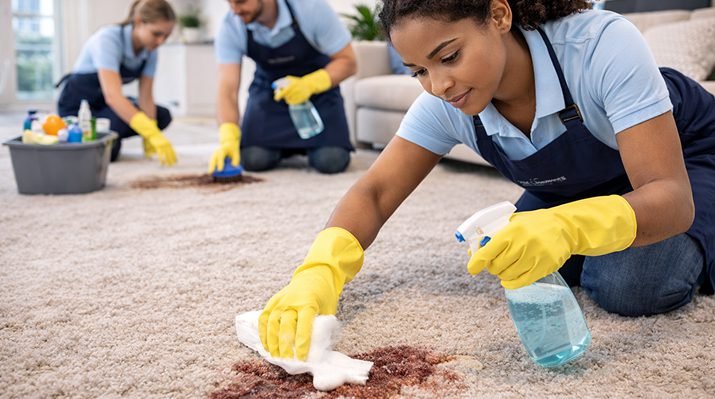
Carpet Cleaning Guide for Removing Stains
Dealing with stubborn stains on your carpet can be a frustrating ordeal, but with the right knowledge and techniques, effective
carpet cleaning for
removing stains is entirely achievable.
This comprehensive guide will walk you through the essential steps and proven methods to tackle various common carpet blemishes, restoring your flooring to its pristine condition. Understanding the nature of the stain and the type of carpet fiber is paramount to achieving optimal results without causing damage.
Understanding Your Carpet and the Stain
Before you begin any
carpet cleaning process for
removing stains, it’s crucial to identify the type of stain and the material of your carpet. Different fibers react differently to cleaning solutions.
Natural fibers like wool require gentler approaches, while synthetic fibers can often withstand more robust treatments. Similarly, a fresh spill will respond better to immediate action than a stain that has set over time.
Always test any cleaning solution on an inconspicuous area of the carpet first to ensure it doesn’t cause discoloration or damage.
Identifying Common Carpet Stain Types
Stains on carpets can be broadly categorized. For instance, water-based stains (like juice, coffee, or mud) are often easier to remove than oil-based stains (like grease, ink, or makeup). Protein-based stains (like blood or pet accidents) require specific enzymatic cleaners to break down the organic matter and eliminate odors. Understanding this classification will help you choose the most effective cleaning agent.
Essential Tools and Supplies for Stain Removal
Having the right tools at your disposal significantly streamlines the
carpet cleaning and
removing stains process. Gathering these supplies in advance ensures you’re prepared for any carpet emergency.
Here’s a list of commonly used and effective items:
- Clean white cloths or paper towels: For blotting, not rubbing.
- Spray bottle: For applying cleaning solutions evenly.
- Mild dish soap: Effective for many common stains.
- White vinegar: A natural disinfectant and stain remover.
- Baking soda: Excellent for absorbing odors and lifting some stains.
- Rubbing alcohol: Useful for ink and grease stains.
- Enzymatic cleaner: Specifically for pet stains and biological matter.
- Carpet cleaning machine (optional): For deep cleaning and larger areas.
Step-by-Step Guide to Removing Common Stains
Following a systematic approach is key to successful stain removal. Remember, patience and gentle technique are often more effective than aggressive scrubbing.
Fresh Spills: The Immediate Action Plan
When a spill occurs, immediate action is your greatest ally in
carpet cleaning and
removing stains.
- Blot, Don’t Rub: Use a clean white cloth or paper towel to gently blot the spill, working from the outside in to prevent spreading. Continue until no more liquid is absorbed.
- Apply Cleaning Solution: For most common spills, a mixture of a few drops of mild dish soap in water is a good starting point. Spray lightly onto a clean cloth, then blot the stain.
- Rinse: Dampen a clean cloth with plain water and blot the area to rinse out the cleaning solution.
- Dry: Place a thick layer of dry paper towels over the damp spot and weigh it down with a heavy object. This helps wick moisture away from the carpet fibers.
Tackling Set-In Stains
For stains that have had time to dry and set, a slightly more targeted approach may be necessary.
Removing Red Wine Stains
For red wine, after blotting up as much as possible, try a mixture of one part white vinegar to two parts water. Alternatively, a paste of baking soda and water can be applied, left to dry, and then vacuumed. For very stubborn red wine, a commercial carpet stain remover specifically designed for red wine might be required.
Dealing with Pet Stains
Pet accidents require special attention due to their organic nature and potential for lingering odors. Blot up as much as possible first. Then, use an enzymatic cleaner specifically formulated for pet stains. These cleaners break down the biological matter, effectively removing both the stain and the odor. Follow the product instructions carefully, and ensure the area is thoroughly dried to prevent mildew.
Tackling Grease and Oil Stains
For grease or oil, baking soda or cornstarch can be sprinkled generously over the stain to absorb the oil. Let it sit for several hours, then vacuum. You can then follow up with a mild dish soap solution or rubbing alcohol applied to a cloth and blotted onto the stain.
When to Call the Professionals
While this guide provides effective methods for
carpet cleaning and
removing stains, some situations may warrant professional intervention. Deeply set stains, large areas affected by spills, or delicate carpet materials might be best handled by experienced professionals.
They possess specialized equipment and cleaning solutions that can often achieve results beyond DIY capabilities without risking damage. Consider their services if you’ve tried multiple methods without success or if you are concerned about damaging your carpet.
Frequently Asked Questions About Carpet Cleaning and Stain Removal
- What is the best way to start carpet cleaning for removing stains?
The best approach is to act quickly, blot up excess liquid, and then use a gentle, appropriate cleaning solution.
- Can I use bleach for carpet cleaning to remove stains?
Generally, bleach is not recommended for
carpet cleaning as it can permanently discolor and damage most carpet fibers.
- How often should I perform deep carpet cleaning for removing stains?
For most homes, a deep clean every 12-18 months is sufficient, but more frequent cleaning may be needed in high-traffic areas or if you have pets or children.
- What is the most effective DIY solution for general carpet stains?
A mixture of mild dish soap and water, or white vinegar and water, are often effective for many common stains.
- Are there any home remedies for removing tough stains from carpets?
Yes, remedies like baking soda paste for absorption and odor, or hydrogen peroxide (diluted and spot-tested) for certain organic stains, can be useful.
- How do I prevent future carpet stains?
Regular vacuuming, immediate spill cleanup, and considering carpet protector treatments can help prevent stains from setting.
Conclusion: Maintaining a Stain-Free Carpet
Maintaining a pristine carpet is an ongoing process, but by understanding the principles of
carpet cleaning and employing effective techniques for
removing stains, you can significantly extend the life and beauty of your flooring.
Remember to always test solutions, blot rather than rub, and address spills promptly. For particularly challenging stains or when in doubt, consulting a professional carpet cleaner is a wise investment.
With this guide, you are now better equipped to handle most carpet stain emergencies, ensuring a cleaner, healthier, and more attractive home environment.