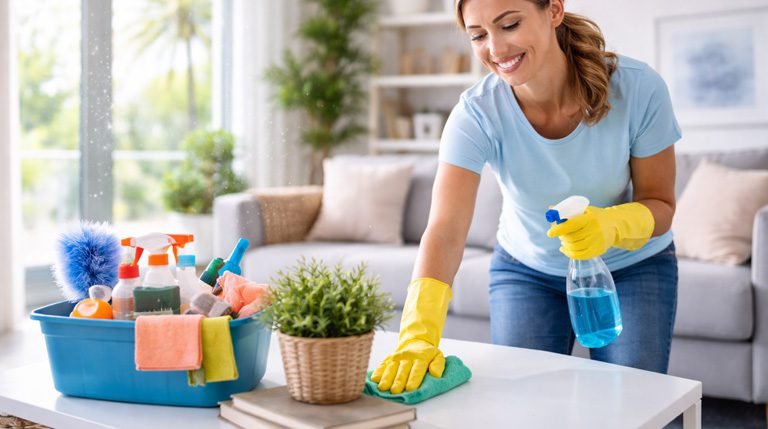
Why Regular House Cleaning Improves Indoor Air Quality
The air we breathe inside our homes plays a critical role in our overall health and well-being. While often overlooked, the connection between regular house cleaning and indoor air quality is profound.
Dust, allergens, pet dander, and various pollutants can accumulate in our living spaces, silently compromising the air we inhale daily. Therefore, understanding how diligent cleaning practices can significantly enhance your home’s atmosphere is essential for a healthier environment.
The Invisible Culprits: What Degrades Indoor Air Quality?
Our homes can become reservoirs for a surprising number of airborne contaminants. These substances originate from both external sources, like pollen and pollution entering through windows, and internal sources, such as shedding pets, cooking fumes, and volatile organic compounds (VOCs) emitted from household products.
Common Indoor Air Pollutants
- Dust Mites: Microscopic creatures thriving in dust, their droppings are common allergens.
- Pet Dander: Tiny skin flakes shed by pets, a major trigger for allergies and asthma.
- Mold Spores: Fungal growth, often found in damp areas, can cause respiratory issues.
- Pollen: Carried in from outdoors, particularly problematic during allergy seasons.
- Volatile Organic Compounds (VOCs): Released from paints, cleaning supplies, furniture, and air fresheners.
- Bacteria and Viruses: Present in the air and on surfaces, contributing to illness.
How House Cleaning Tackles These Pollutants
Regular and thorough house cleaning is not merely about aesthetics; it’s a fundamental practice for improving indoor air quality. By systematically removing these contaminants, you create a healthier living environment. For instance, frequent vacuuming with a HEPA filter equipped vacuum cleaner effectively captures microscopic particles that can otherwise become airborne.
Dust Removal and Allergen Reduction
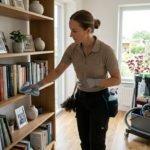
Dust is a complex mixture that includes skin cells, fabric fibers, and even insect fragments. When left undisturbed, these particles settle on surfaces and can be easily agitated, becoming airborne again. Regular dusting with microfiber cloths traps these particles, preventing them from circulating. Similarly, washing bedding frequently in hot water eliminates dust mites.
Mitigating Mold and Mildew
Mold thrives in moist environments. Kitchens, bathrooms, and basements are prime locations for its growth. Regular cleaning of these areas, especially tackling any visible mold or dampness, prevents its proliferation and the release of allergenic spores into the air. Proper ventilation also plays a crucial role alongside cleaning.
Reducing Pet-Related Allergens
For pet owners, managing pet dander is a significant aspect of maintaining good indoor air quality. Frequent vacuuming of carpets and upholstery, along with regular pet grooming, can drastically reduce the amount of dander released into the air. Washing pet bedding also helps contain these allergens.
Advanced Cleaning Techniques for Better Air
Beyond routine dusting and vacuuming, incorporating specific cleaning techniques can further enhance indoor air quality. These methods target deeper accumulations of pollutants and address more persistent sources of contamination.
The Importance of HEPA Filters
When vacuuming, using a vacuum cleaner equipped with a High-Efficiency Particulate Air (HEPA) filter is paramount. These filters are designed to capture at least 99.97% of airborne particles 0.3 micrometers in size, including dust, pollen, mold spores, and pet dander. This ensures that instead of recirculating fine particles back into the air, they are effectively trapped within the vacuum.
Deep Cleaning for Long-Term Benefits
Periodic deep cleaning sessions can address areas that are often missed in routine cleaning. This might include cleaning air vents and ducts, washing curtains and blinds, and thoroughly cleaning upholstery. These actions remove accumulated dust and allergens, leading to sustained improvements in air quality.
Frequently Asked Questions About Cleaning and Air Quality
Q1: How often should I perform house cleaning to improve indoor air quality?
A1: For optimal results, aim for weekly general cleaning, including vacuuming and dusting. More intensive cleaning tasks like washing curtains or deep cleaning carpets should be done quarterly or semi-annually.
Q2: Does vacuuming alone significantly improve indoor air quality?
A2: Vacuuming is a crucial component, especially when using a HEPA-filtered vacuum. However, it’s most effective when combined with other cleaning practices like dusting and surface wiping.
Q3: What is the most effective way to reduce dust mites and improve indoor air quality?
A3: Regularly washing bedding in hot water (above 130°F or 54°C), vacuuming carpets and upholstery frequently, and using allergen-proof mattress and pillow covers are highly effective strategies for reducing dust mites and enhancing indoor air quality.
Q4: Are natural cleaning products better for indoor air quality?
A4: Yes, many conventional cleaning products release VOCs. Opting for natural or DIY cleaning solutions can significantly reduce the introduction of these harmful chemicals into your home’s air, thus improving indoor air quality.
Q5: How does regular house cleaning help reduce allergens?
A5: Regular house cleaning physically removes allergen sources like pet dander, dust mite feces, and pollen from surfaces and the air, thereby reducing the concentration of allergens and improving indoor air quality.
Conclusion: Breathe Easier with a Clean Home
In conclusion, the link between regular house cleaning and improved indoor air quality cannot be overstated. By diligently addressing dust, allergens, and other pollutants, you actively contribute to a healthier and more comfortable living environment.
Implementing a consistent cleaning routine, utilizing effective tools like HEPA vacuums, and considering periodic deep cleans are all essential steps towards ensuring the air you breathe at home is as pure as possible.
Take proactive steps today to make your home a sanctuary of clean air.
Ready to experience the benefits of a cleaner home and improved indoor air quality? Contact us today to schedule your professional cleaning service and breathe easier tomorrow!