
Kitchen Deep Cleaning Guide
Embarking on a thorough kitchen deep cleaning can seem daunting, but with a systematic approach, you can transform your culinary space into a pristine haven. This guide will break down the process into manageable steps, ensuring every nook and cranny receives the attention it deserves. Regular deep cleaning not only enhances hygiene but also preserves the longevity of your kitchen appliances and surfaces.
The Importance of a Deep Clean
A routine surface clean is essential, but a kitchen deep cleaning goes much further, tackling accumulated grease, grime, and hidden bacteria. This process is crucial for maintaining a healthy living environment, especially in a room that handles food preparation. Furthermore, a deeply cleaned kitchen can feel more spacious and inviting, positively impacting your overall well-being.
Preparing for Your Deep Clean
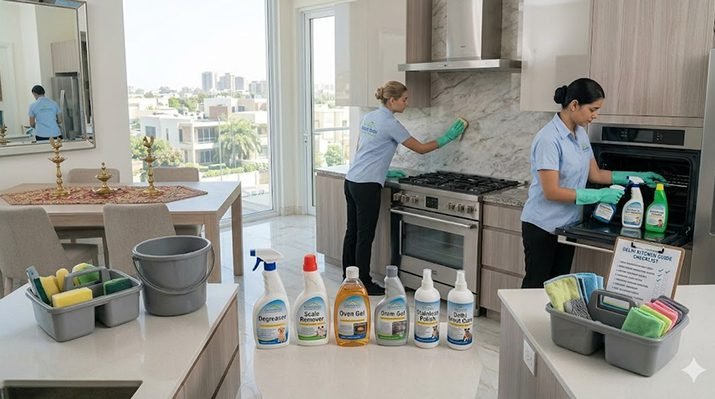
Before you begin the intensive scrubbing, gather all your necessary supplies. This includes all-purpose cleaners, degreasers, oven cleaner, microfiber cloths, sponges, scrub brushes, gloves, and trash bags. Clearing countertops and removing items from drawers and cabinets will provide unobstructed access to surfaces. Subsequently, create a logical cleaning order, starting from the top and working your way down.
Tackling the Cabinets and Drawers
Begin your kitchen deep cleaning with the cabinets and drawers. Empty each one completely, discarding any expired or unwanted items. Wipe down the interior surfaces with a damp cloth and a mild detergent. For stubborn grease buildup on cabinet exteriors, a specialized degreaser will be highly effective. Remember to polish them afterward for a gleaming finish.
Organizing as You Clean
As you clean each cabinet and drawer, take the opportunity to organize its contents. Utilize drawer dividers and pantry organizers to create a functional and tidy space. This step not only contributes to the overall cleanliness but also improves the efficiency of your kitchen workflow.
Deep Cleaning the Appliances
Appliances often accumulate the most stubborn grease and food residue. For the oven, follow the manufacturer’s instructions for self-cleaning or use a potent oven cleaner, ensuring adequate ventilation. The stovetop requires specific attention; remove grates and burner caps and soak them in a degreasing solution. Afterward, scrub the cooktop surface thoroughly. Don’t forget to clean the refrigerator, both inside and out, discarding old food and wiping down shelves and drawers.
The Microwave Makeover
The microwave is another area prone to splatters. Place a microwave-safe bowl filled with water and lemon slices inside and heat on high for several minutes. The steam will loosen dried-on food, making it easy to wipe away with a cloth.
Cleaning the Sink and Faucet
Your kitchen sink and faucet are high-traffic areas. Use a non-abrasive cleaner to scrub the sink basin, removing any food particles or mineral deposits. Pay close attention to the faucet and handles, as these are frequently touched. A toothbrush can be useful for cleaning around the faucet base and drain.
The Final Touches: Floors and Walls
Once the major components are addressed, turn your attention to the floors and walls. Sweep or vacuum the floor to remove loose debris. Then, mop the floor with an appropriate cleaning solution for your flooring type. Wipe down walls, especially those near the stovetop, to remove any grease splatters or grime.
Frequently Asked Questions About Kitchen Deep Cleaning
- How often should I perform a kitchen deep cleaning?
Ideally, a kitchen deep cleaning should be done at least twice a year, with more frequent attention to specific areas as needed.
- What are the essential tools for a kitchen deep cleaning?
Key items include degreasers, microfiber cloths, scrub brushes, oven cleaner, and a good all-purpose cleaner.
- How do I remove stubborn grease from kitchen cabinets?
A specialized kitchen degreaser applied with a microfiber cloth is highly effective for kitchen deep cleaning cabinet grease.
- What is the best way to clean a greasy stovetop?
Remove grates, soak them, and then use a degreaser on the stovetop surface, followed by scrubbing.
- Can I use natural cleaning agents for a kitchen deep cleaning?
Yes, solutions like vinegar, baking soda, and lemon can be effective for many cleaning tasks.
Conclusion: Enjoy Your Pristine Kitchen
Completing a kitchen deep cleaning is a rewarding endeavor that results in a more hygienic, functional, and aesthetically pleasing space. By following these steps, you can confidently tackle the task and enjoy the benefits of a truly spotless kitchen. The effort invested now will pay dividends in the long run, making your kitchen a joy to cook and spend time in.
Ready to achieve that spotless kitchen? Dive into our comprehensive guide and make your kitchen shine! If you’re looking for more specific tips, check out our article on [How to Organize Your Kitchen Pantry](link-to-internal-article) for further insights into optimizing your kitchen space.