
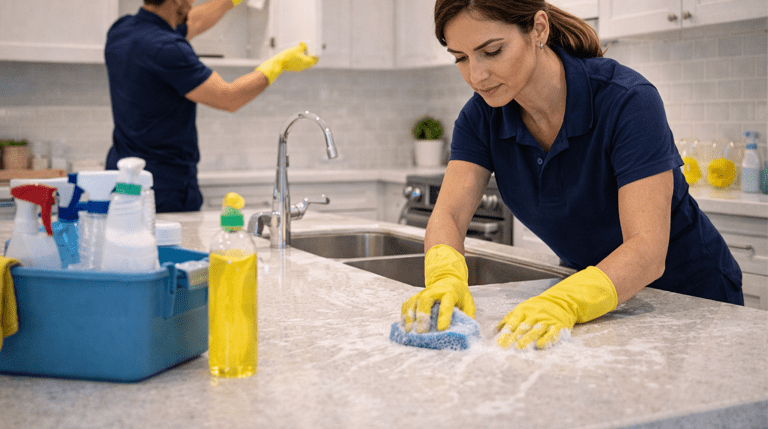
Kitchen Deep Cleaning Guide for Homes
A truly functional and hygienic kitchen is the heart of any home. However, over time, grease, grime, and build-up can accumulate, making it feel less inviting. This comprehensive kitchen deep cleaning guide will walk you through the essential steps to restore your cooking space to its former glory, ensuring a healthier and more pleasant environment for your family.
Preparing for Your Kitchen Deep Clean
Before embarking on your deep clean kitchen mission, strategic preparation is key. Gather all necessary cleaning supplies to avoid interruptions. This includes a variety of cloths (microfiber is excellent for surfaces), sponges, scrub brushes, gloves, an all-purpose cleaner, degreaser, glass cleaner, and a suitable disinfectant.
Furthermore, clear countertops and tables completely; this provides unobstructed access to all areas and allows for a thorough wipe-down of these surfaces.
Decluttering and Discarding
The initial phase of any effective home kitchen cleaning involves a thorough decluttering process. Take this opportunity to empty cabinets and drawers, discarding expired food items and any utensils or gadgets that are no longer used. Organizing these spaces as you go will make the subsequent cleaning much more efficient and the results more lasting.
Tackling the Grimy Zones
Certain areas in the kitchen are notorious for accumulating stubborn grease and food particles. Addressing these “hot spots” first will yield the most visible improvements.
Stovetop and Oven Deep Cleaning
Begin with the stovetop. Remove grates and burner caps, soaking them in hot, soapy water or a degreasing solution. For tough burnt-on food, a paste of baking soda and water can work wonders. For the oven, employ a dedicated oven cleaner following product instructions, or use a similar baking soda paste for a more natural approach. Don’t forget to clean the oven door, including the glass interior.
Refrigerator and Freezer Decontamination
Empty your refrigerator and freezer entirely. Discard any spoiled items. Use a mild detergent or a mixture of vinegar and water to wipe down all shelves, drawers, and interior walls. Pay special attention to seals, where mold can develop. For the freezer, allow ice build-up to thaw naturally or use a hairdryer on a low setting for faster defrosting.
Beyond the Obvious: Often-Forgotten Areas
Effective kitchen deep cleaning extends to areas that are often overlooked during routine tidying.
Sink and Faucet Sanitization
Your kitchen sink is a breeding ground for bacteria. Use a disinfectant cleaner to scrub the basin thoroughly. For stubborn stains or water spots on faucets, a bit of lemon juice or vinegar can help restore their shine. Ensure you clean around the drain and disposal unit.
Cabinet and Drawer Exterior Cleaning
While you decluttered the interiors, the exteriors of your cabinets and drawers can accumulate grease and fingerprints. Use an appropriate cleaner for your cabinet material (wood, laminate, stainless steel) to wipe down all fronts and handles. This step significantly enhances the overall appearance of your kitchen.
Floor and Wall Refresh
The final touches are crucial for a complete kitchen deep cleaning experience.
Floor Scrubbing and Grout Renewal
Depending on your flooring type, vacuum or sweep thoroughly. Then, mop with a suitable floor cleaner, paying attention to corners and edges where dirt can collect. If you have tile floors, consider using a grout cleaner to revive the grout lines.
Wall and Backsplash Scrub
Don’t forget the walls and backsplash. These areas can accumulate splatters from cooking. A degreasing spray followed by a wipe-down with a damp cloth will remove grease and grime, leaving them looking refreshed.
Maintenance for Lasting Cleanliness
To prolong the results of your kitchen deep cleaning, implement a consistent maintenance routine. This includes daily wipe-downs of countertops and the sink, and weekly cleaning of the stovetop and microwave. Regularly check expiration dates in your refrigerator to prevent spoilage and minimize odors.
Frequently Asked Questions about Kitchen Deep Cleaning
Q1: How often should I perform a kitchen deep cleaning?
A professional opinion suggests performing a kitchen deep cleaning at least twice a year, or more frequently if you notice significant build-up.
Q2: What are the best natural cleaning solutions for a deep clean kitchen?
Vinegar, baking soda, lemon juice, and essential oils like tea tree or eucalyptus are excellent natural options for a deep clean kitchen.
Q3: How do I tackle stubborn grease on kitchen cabinets during a home kitchen cleaning?
For home kitchen cleaning, a paste of baking soda and water, or a dedicated degreaser for your cabinet material, should be applied and left to sit for a few minutes before wiping.
Q4: What is the most efficient way to clean a greasy stovetop during a kitchen deep cleaning?
Start by removing grates and soaking them. For the stovetop surface, a strong degreaser or a baking soda paste is highly effective for kitchen deep cleaning.
Q5: Are there any specific tools recommended for kitchen deep cleaning?
Yes, consider microfiber cloths, scrub brushes with varying stiffness, an old toothbrush for tight spots, and a good quality squeegee for glass surfaces.
Conclusion
Embarking on a kitchen deep cleaning project might seem daunting, but by breaking it down into manageable steps and focusing on specific areas, you can achieve a remarkably clean and hygienic space. A thoroughly cleaned kitchen not only looks better but also contributes significantly to a healthier home environment. Implementing regular maintenance will ensure your kitchen remains a welcoming and functional hub for years to come.