Office Cleaning Benefits for Staff Health
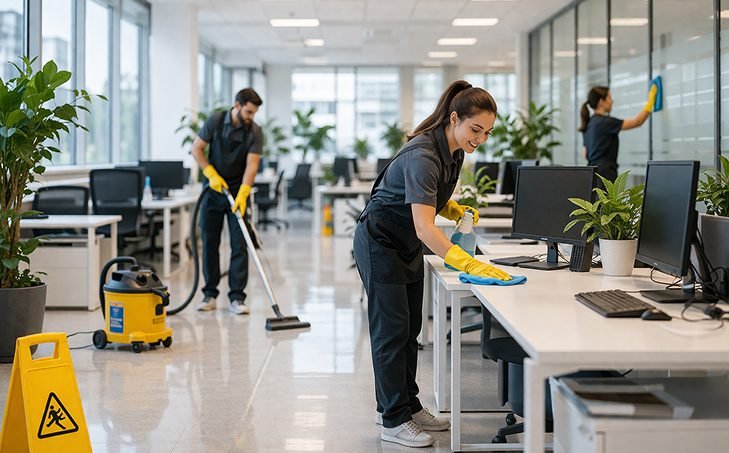
A modern, bright office space with clean desks, well-maintained floors, and natural light. Alt text: Bright, clean office environment promoting staff health through effective office cleaning. A close-up of a sanitized office desk surface, showing no visible dust or grime.
A clean and hygienic workspace is not merely an aesthetic consideration; it is a fundamental component of maintaining optimal staff health. Implementing regular and thorough office cleaning benefits directly impacts employee well-being, leading to a more productive and positive work environment. Neglecting this crucial aspect can inadvertently foster an environment ripe for illness transmission and reduced overall morale.
Reducing Illness and Absenteeism
One of the most immediate and tangible office cleaning benefits for staff health is the significant reduction in the spread of germs and pathogens. High-traffic areas such as doorknobs, keyboards, shared equipment, and restrooms are breeding grounds for bacteria and viruses.
Professional cleaning services employ specialized disinfectants and techniques to neutralize these microorganisms, thereby minimizing the incidence of common colds, influenza, and other contagious illnesses.
This, in turn, leads to fewer sick days and a more consistent workforce.
The Invisible Threat: Germs in the Workplace
It is easy to underestimate the microbial load present on everyday office surfaces. Studies have shown that office desks can harbor hundreds of times more bacteria than a toilet seat. Therefore, consistent disinfection protocols are paramount. By regularly sanitizing surfaces, we interrupt the transmission cycles of harmful pathogens.
Improving Air Quality
Indoor air quality is a critical, yet often overlooked, factor in staff health. Dust, mold spores, allergens, and volatile organic compounds (VOCs) can accumulate in an office environment, contributing to respiratory problems, headaches, fatigue, and allergies.
Comprehensive office cleaning benefits extend to improving air quality through regular vacuuming with HEPA filters, dusting, and ensuring proper ventilation. A cleaner environment means healthier air for everyone.
The Impact of Poor Air Quality
When ventilation systems are clogged with dust or carpets are not properly cleaned, airborne contaminants circulate freely. This can exacerbate pre-existing conditions like asthma and lead to new sensitivities developing in employees. A professional cleaning regimen addresses these issues proactively.
Enhancing Employee Morale and Productivity
Beyond the direct health advantages, a clean office environment significantly boosts employee morale. A tidy and organized workspace conveys a sense of professionalism and care from the employer. This fosters a more positive atmosphere, reducing stress and making employees feel valued. When employees feel good about their surroundings, their engagement and productivity tend to rise.
The Psychological Impact of a Clean Space
Working in a cluttered or unkempt office can be mentally draining. Conversely, a clean and organized environment promotes focus and reduces distractions. This psychological uplift is a direct result of effective office cleaning benefits.
Preventing Long-Term Health Issues
While immediate reductions in sickness are a primary concern, consistent office hygiene also plays a role in preventing long-term health issues. Chronic exposure to dust mites, mold, and poor air quality can contribute to the development or worsening of allergies and respiratory conditions over time. Investing in regular, high-quality office cleaning benefits is an investment in the sustained health of your employees.
Ergonomics and Cleanliness
A clean office also supports ergonomic health. Clear pathways and organized workstations reduce the risk of trips and falls. Furthermore, regular cleaning of chairs and keyboards can prevent the buildup of grime that can lead to skin irritations.
Frequently Asked Questions about Office Cleaning and Staff Health
Q1: How does office cleaning directly improve staff health?
A1: Office cleaning significantly reduces the spread of germs and bacteria, minimizing illnesses like colds and flu, thereby improving staff health.
Q2: What are the key office cleaning benefits for overall workplace well-being?
A2: Key benefits include reduced absenteeism, improved air quality, enhanced employee morale, and a more productive work environment, all contributing to overall staff health.
Q3: Can regular office cleaning help prevent allergies?
A3: Yes, by removing dust, allergens, and mold spores, regular office cleaning can help prevent and alleviate allergy symptoms in staff.
Q4: How often should an office be professionally cleaned to see these benefits?
A4: The frequency depends on office size and usage, but daily touchpoint cleaning and weekly deep cleaning are generally recommended to maximize office cleaning benefits for staff health.
Q5: Does office cleaning contribute to better indoor air quality?
A5: Absolutely. Professional cleaning removes dust, allergens, and pollutants, leading to healthier indoor air for employees, a significant aspect of staff health.
Q6: What is the connection between office cleanliness and employee productivity?
A6: A clean and hygienic office reduces distractions and illness, leading to increased focus and productivity among staff, demonstrating a direct link in office cleaning benefits for staff health.
Conclusion: A Healthier Workplace Starts with Cleanliness
In conclusion, the office cleaning benefits for staff health are multifaceted and profoundly impactful. From mitigating the spread of infectious diseases and improving air quality to boosting morale and productivity, a clean workspace is an indispensable asset for any forward-thinking organization.
Investing in professional cleaning services is not an expense, but a strategic decision that yields returns in employee well-being, reduced downtime, and a more positive organizational culture. Prioritize your team’s health and experience the transformative power of a meticulously maintained office environment.