
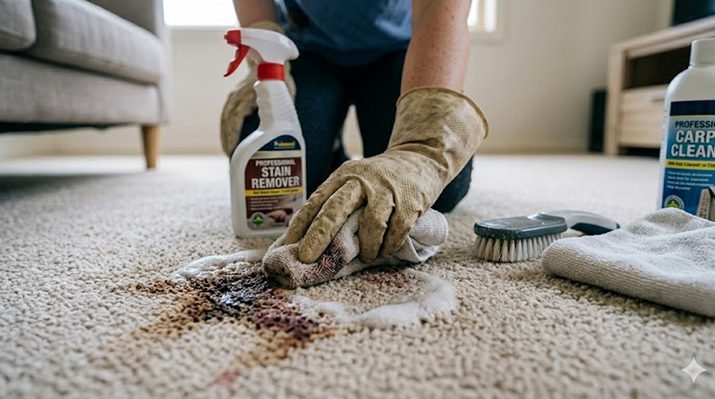
Remove Carpet Stains Like a Pro
Dealing with stubborn carpet stains can be a daunting task, but with the right knowledge and techniques, you can effectively remove carpet stains and restore your flooring to its former glory. This guide will equip you with the professional strategies needed to tackle everything from everyday spills to deeply embedded grime. Understanding the nature of the stain and the type of carpet fiber is paramount to a successful outcome.
Understanding Your Enemy: Stain Types and Carpet Fibers
Before you can effectively remove carpet stains, it’s crucial to identify the type of stain you’re dealing with. Different substances require different cleaning agents and approaches. For instance, protein-based stains like blood or pet accidents behave differently than oily or dye-based stains like red wine or ink.
Furthermore, the material of your carpet plays a significant role. Natural fibers like wool are more delicate and can be damaged by harsh chemicals or excessive heat. Synthetic fibers like nylon or polyester are generally more resilient, but it’s always wise to test any cleaning solution in an inconspicuous area first. This preliminary assessment ensures you choose the most effective and safest method for your specific situation.
Identifying Common Carpet Stain Culprits
Common household culprits for carpet stains include:
- Food and Drink Spills: Red wine, coffee, tea, juice, grease, and sauces.
- Pet Accidents: Urine, feces, and vomit.
- Mud and Dirt: Tracked in from outdoor environments.
- Ink and Dyes: Pen marks, craft supplies, and colored liquids.
- Oils and Grease: From cooking or automotive fluids.
Carpet Fiber Considerations
- Wool: Requires gentle, pH-neutral cleaners. Avoid bleach and hot water.
- Nylon & Polyester: Generally durable and resistant to most common cleaning agents.
- Olefin (Polypropylene): Resistant to water-based stains but can absorb oil.
The Golden Rules of Carpet Stain Removal
There are several fundamental principles that apply when you aim to remove carpet stains. Adhering to these golden rules will significantly increase your chances of success and prevent the stain from becoming permanent. Acting quickly is often the most critical factor in stain removal.
Firstly, blot, don’t rub. Rubbing can spread the stain and damage carpet fibers, making it harder to remove. Always use a clean white cloth or paper towel to gently blot the stain from the outside in. This technique helps to absorb the spilled substance without pushing it deeper into the carpet pile.
Secondly, test your cleaning solution. Before applying any cleaning product to the visible stain, test it on a small, hidden area of your carpet. This is essential to ensure the solution doesn’t cause discoloration or damage to the fibers. Allow the tested area to dry completely before proceeding.
Finally, rinse thoroughly. After treating the stain, it’s vital to rinse the area with clean water to remove any residue from the cleaning solution. Leftover cleaning agents can attract dirt, leading to new stains or discoloration over time.
Key Principles for Success:
- Speed is critical: Address spills immediately.
- Blotting is superior to rubbing: Prevent spreading and fiber damage.
- Test in an inconspicuous area: Avoid unwanted side effects.
- Rinse thoroughly: Remove all cleaning product residue.
DIY Stain Removal Techniques
Often, you can remove carpet stains using common household items. These DIY methods are cost-effective and environmentally friendly. For fresh spills, a simple mixture of dish soap and water can be highly effective. For tougher stains, vinegar or baking soda can be powerful allies.
For general stains, mix one tablespoon of mild dish soap with two cups of warm water. Apply the solution to the stain with a clean cloth, blotting gently. For red wine or pet stains, a paste of baking soda and water can be applied, allowed to dry, and then vacuumed up.
When tackling more challenging stains, a solution of equal parts white vinegar and water can work wonders. Spray the solution onto the stain, let it sit for a few minutes, and then blot it away. Remember to always rinse the area with clean water afterward. These simple yet effective methods can help you avoid professional cleaning costs.
Common DIY Cleaning Solutions:
- Dish Soap & Water: For everyday spills and general grime.
- Baking Soda Paste: Excellent for absorbing odors and lifting stains like red wine.
- Vinegar & Water: Effective against many types of stains and acts as a natural disinfectant.
When to Call the Professionals
While DIY methods are effective for many stains, there are times when you should enlist the help of professional carpet cleaners. Heavily soiled carpets, or those with deeply embedded or unknown stains, may require specialized equipment and expertise. Attempting to remove these tough stains yourself could potentially cause permanent damage.
If you’ve tried several DIY methods without success, it’s likely time to seek professional assistance. Professionals have access to industrial-strength cleaning solutions and powerful extraction equipment that can tackle even the most challenging stains.
They also have the knowledge to identify fiber types and choose the safest and most effective cleaning methods for your specific carpet. Ultimately, knowing when to call for expert help can save you time, effort, and potentially the cost of replacing your carpet.
—
Frequently Asked Questions About Carpet Stain Removal
Q1: What is the best way to remove carpet stains from pets?
For pet stains, it’s essential to blot up as much of the mess as possible immediately. Then, use an enzymatic cleaner specifically designed for pet stains. These cleaners break down the organic matter that causes odors and stains. Always test the cleaner in an inconspicuous area first.
Q2: How do I remove a red wine stain from my carpet?
To remove a red wine stain, blot up excess wine, then apply a mixture of one part white vinegar to two parts water. Blot again. You can also try covering the stain with salt to absorb the wine, let it sit for a few hours, then vacuum.
Q3: Can I use bleach to remove carpet stains?
Generally, no. Bleach is a harsh chemical that can damage carpet fibers and cause permanent discoloration, especially on colored carpets. It is best avoided unless specifically recommended for a particular type of synthetic carpet and stain.
Q4: How often should I clean my carpets to prevent stains?
Regular vacuuming (at least once a week) is crucial for preventing dirt from becoming embedded. Professional deep cleaning every 12-18 months is also recommended to maintain carpet health and remove accumulated grime.
Q5: What are the best natural ways to remove carpet stains?
Natural methods include using a paste of baking soda and water for absorption, or a solution of equal parts white vinegar and water for general stain lifting. Dish soap and water is also a mild and effective natural cleaner.
—
Conclusion: Master the Art of Carpet Stain Removal
Effectively remove carpet stains by understanding your stain type, respecting your carpet’s fiber composition, and employing the right techniques. By following the principles of prompt action, gentle blotting, and thorough rinsing, you can maintain the beauty and longevity of your carpets.
Don’t let spills and accidents diminish the aesthetic of your home. With the knowledge gained from this guide, you are well-equipped to tackle most carpet stain challenges, ensuring a cleaner, fresher living environment.
—
Ready to tackle those stubborn carpet stains? Don’t let spills get the best of you! Explore our range of professional-grade carpet cleaning solutions or book a consultation with our expert cleaning services to ensure your carpets look their best. Click here to learn more and get a free quote!