Bond Cleaning Guide for Rental Properties
Securing the return of your rental bond deposit hinges significantly on the condition of the property upon vacating. A thorough and professional bond cleaning for your rental property is not merely a suggestion; it’s often a contractual obligation. This guide will provide a comprehensive overview of what constitutes effective bond cleaning, ensuring you meet your landlord’s expectations and maximize your chances of a full refund.
Understanding Bond Cleaning Requirements
Bond cleaning, also known as end-of-lease cleaning, involves a deep and meticulous cleaning of a rental property to return it to its original state, minus normal wear and tear. Landlords and property managers typically have a detailed checklist that must be adhered to. Failing to meet these standards can result in deductions from your security deposit. Therefore, understanding the scope of work is the first critical step.
Key Areas to Focus On
The primary objective is to leave the property in a condition that is as close as possible to when you first moved in. This means addressing every nook and cranny. Consequently, particular attention should be paid to high-traffic areas and surfaces that accumulate dirt and grime over time.
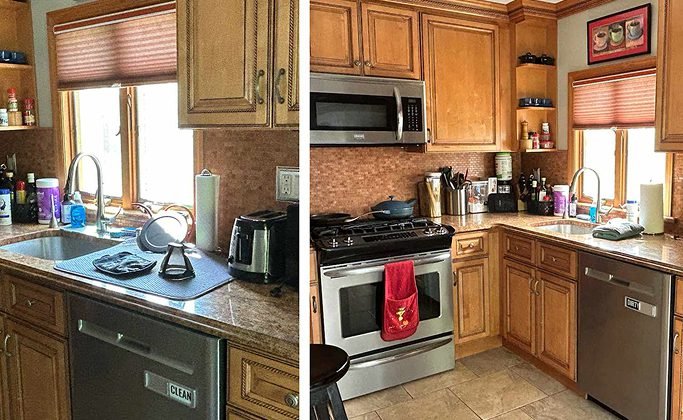
- Kitchen: This is often the most scrutinized area. It includes cleaning inside and outside all cabinets, drawers, oven, stovetop, range hood, dishwasher, sink, and countertops. Don’t forget the backsplash and the floor.
- Bathrooms: Deep cleaning of toilets, showers, bathtubs, basins, mirrors, and cabinets is essential. Tiles and grout should be scrubbed, and any mould removed.
- Bedrooms and Living Areas: Walls should be spot-cleaned for marks, skirting boards wiped down, windows cleaned internally, and floors vacuumed and mopped. Light fixtures and ceiling fans should also be dusted.
- Carpets: Professional carpet cleaning is almost always a requirement for rental property bond cleaning to remove stains and odours.
- Windows and Blinds: Both internal and external window cleaning is typically expected, along with dusting and cleaning of blinds or shutters.
DIY vs. Professional Bond Cleaning
Deciding whether to tackle the bond cleaning yourself or hire professionals is a crucial consideration. While a DIY approach might seem cost-effective, it requires significant time, effort, and the right cleaning products and equipment. Furthermore, missing a critical cleaning task can lead to a deduction from your bond.
When to Consider Professional Services
For many tenants, especially those with limited time or who are not confident in their cleaning abilities, hiring a professional bond cleaning service is the most sensible option. Professionals are equipped with the necessary tools and expertise to meet stringent landlord requirements. They often offer a guarantee, providing peace of mind.
Benefits of Professional Bond Cleaning:
- Expertise: Trained professionals know exactly what landlords look for.
- Efficiency: They can complete the cleaning much faster than an individual.
- Equipment: Access to specialised cleaning equipment and solutions.
- Guarantee: Many services offer a bond-back guarantee, meaning they’ll re-clean if issues arise.
The Bond Cleaning Process
A systematic approach ensures no area is overlooked. Begin by decluttering and removing personal belongings. Then, work from the top of the room downwards, tackling ceilings, walls, and fixtures before moving to floors. This prevents dirt and dust from settling on already cleaned surfaces.
Step-by-Step Cleaning Strategy
A well-executed bond cleaning process involves several key steps. Firstly, gather all necessary cleaning supplies. Then, systematically clean each room, following a consistent pattern.
- Dusting and Cobweb Removal: Start with high areas like ceilings, cornices, and light fittings.
- Wall and Skirting Board Cleaning: Spot clean any marks or scuffs on walls and wipe down skirting boards.
- Window Cleaning: Clean windows inside and out, including frames and tracks.
- Kitchen Deep Clean: Address all appliances, cabinets, and surfaces as detailed earlier.
- Bathroom Deep Clean: Scrub all fixtures, tiles, and grout.
- Floor Cleaning: Vacuum carpets thoroughly and mop hard floors.
- Final Inspection: Conduct a final walkthrough to ensure everything is up to standard.
Common Pitfalls to Avoid
Many tenants make common mistakes that can jeopardise their bond return. Overlooking small details or underestimating the thoroughness required are frequent issues. Understanding these pitfalls can help you avoid them during your rental property bond cleaning.
Crucial Details Often Missed
- Oven and Range Hood: These require meticulous cleaning, often involving degreasing agents and careful attention to racks and filters.
- Exhaust Fans and Vents: Dust accumulation in these areas is easily spotted.
- Grout and Caulking: Mould and discolouration in bathrooms can be grounds for deductions.
- Inside of Light Fixtures: Don’t forget to dust or wipe down the inside of light covers.
- Balcony/Patio: If these are part of the property, they often need cleaning too.
Frequently Asked Questions About Bond Cleaning
Q1: What is the primary goal of bond cleaning for a rental property?
A1: The primary goal of bond cleaning for a rental property is to return it to a clean condition comparable to its state at the commencement of the tenancy, ensuring the tenant can recover their full security deposit.
Q2: How often should bond cleaning be performed?
A2: Bond cleaning is typically performed at the end of a tenancy, just before the tenant vacates the rental property.
Q3: Can I do my own bond cleaning, or should I hire professionals?
A3: You can perform your own bond cleaning, but hiring professionals for your rental property is often recommended for thoroughness and to meet stringent landlord expectations.
Q4: What is typically included in a standard bond cleaning service?
A4: Standard bond cleaning services cover deep cleaning of kitchens, bathrooms, living areas, bedrooms, windows, and often include carpet steam cleaning.
Q5: How long does bond cleaning usually take?
A5: The duration of bond cleaning varies based on the property size and condition, but professional services can often complete it within a single day.
Q6: What happens if my landlord is not satisfied with the bond cleaning?
A6: If your landlord is unsatisfied, they may deduct cleaning costs from your bond. This is why a comprehensive bond cleaning is vital.
Conclusion: Securing Your Bond Deposit
Ultimately, a successful bond cleaning for your rental property is an investment in getting your full security deposit back. By understanding the requirements, employing a systematic cleaning strategy, and paying attention to often-overlooked details, you can ensure your property is left in impeccable condition.
Whether you choose a DIY approach or enlist professional help, thoroughness is key. Don’t underestimate the importance of a spotless finish – it’s your passport to a stress-free exit and the recovery of your hard-earned bond.