Restaurant Cleaning Guide for Safety
Maintaining a spotless and hygienic environment is paramount for any food service establishment. A comprehensive
restaurant cleaning guide for safety is not just about aesthetics; it’s a critical component of ensuring customer well-being, complying with health regulations, and safeguarding your business’s reputation. Implementing rigorous cleaning protocols across all areas, from the bustling kitchen to the welcoming dining room, is non-negotiable.
The Foundation: Understanding Cleaning vs. Sanitizing
Before diving into specific tasks, it’s crucial to distinguish between cleaning and sanitizing. Cleaning involves removing visible dirt, food debris, and grease using soap and water. Sanitizing, on the other hand, reduces the number of harmful microorganisms to safe levels. Both processes are vital and often work in tandem. For instance, you must clean a surface before you can effectively sanitize it.
Kitchen Hygiene: The Epicenter of Food Safety
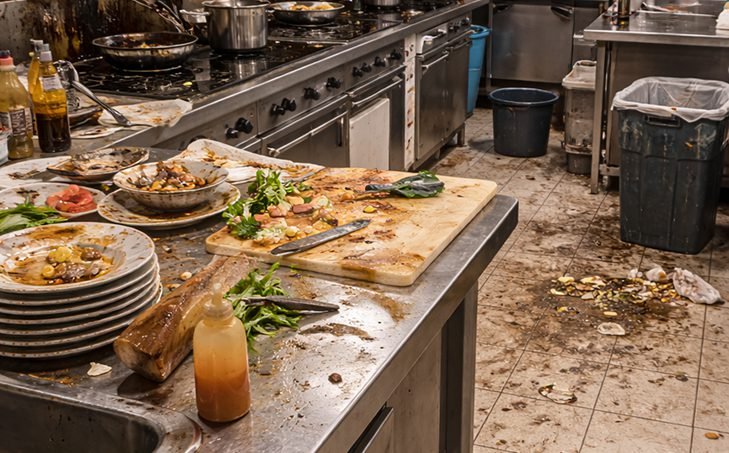
The kitchen is the heart of any restaurant and therefore requires the most stringent cleaning and sanitizing procedures. Daily, weekly, and monthly checklists are indispensable tools for ensuring no area is overlooked.
- Daily Tasks: This includes washing all dishes, utensils, and cooking equipment. Surfaces such as countertops, stovetops, and prep tables must be cleaned and sanitized after each use. Floors should be swept and mopped regularly.
- Weekly Tasks: Deep cleaning of ovens, grills, fryers, and refrigerators is essential. Ventilation hoods and filters should also be cleaned to prevent grease buildup, which can be a fire hazard.
- Monthly Tasks: This involves more intensive tasks like cleaning behind large appliances, inspecting and cleaning drains, and defrosting freezers if necessary.
Dining Area and Restroom Protocols
The dining area and restrooms are direct reflections of your establishment’s commitment to cleanliness. These spaces significantly influence customer perception and satisfaction.
- Dining Area: Tables, chairs, and booths should be wiped down and sanitized between seatings. Floors require regular sweeping and mopping. High-touch surfaces like menus, salt and pepper shakers, and door handles need frequent attention.
- Restrooms: These must be kept impeccably clean and well-stocked with soap, paper towels, and toilet paper at all times. Regular cleaning and sanitizing of toilets, sinks, and floors are critical to prevent the spread of germs.
Pest Control: An Integrated Approach
An effective
restaurant cleaning guide for safety inherently incorporates robust pest control measures. Rodents and insects can carry diseases and contaminate food. Preventing their entry and eliminating existing infestations is paramount.
- Prevention: This involves proper waste management, sealing entry points, and maintaining a clean environment that offers no food sources or harborage for pests.
- Monitoring and Treatment: Regular inspections for signs of pests and prompt implementation of treatment plans, often in conjunction with professional pest control services, are crucial.
Training and Compliance
The most detailed cleaning plan is ineffective without proper staff training. Every employee must understand their role in maintaining hygiene standards and adhering to the established
restaurant cleaning guide for safety.
- Comprehensive Training: Educate staff on proper handwashing techniques, cross-contamination prevention, safe chemical handling, and the correct procedures for cleaning and sanitizing different areas and equipment.
- Regular Audits: Conduct internal audits and welcome health inspector visits as opportunities to reinforce best practices and identify areas for improvement.
Specialized Cleaning Areas
Certain areas within a restaurant require specific attention due to their unique functions and potential for contamination.
Beverage Stations and Ice Machines
Beverage dispensers and ice machines can harbor bacteria if not cleaned regularly. These areas need daily attention, including thorough cleaning and sanitizing of nozzles, tubes, and ice chutes. Ice machine interiors should be cleaned and sanitized according to manufacturer guidelines, typically monthly, to prevent mold and bacterial growth.
Storage Areas and Dry Goods
Even storage areas for dry goods need to be kept clean and organized. Shelving should be wiped down regularly, and any spilled ingredients cleaned immediately. Proper stock rotation (first-in, first-out) helps prevent spoilage and reduces the risk of pest attraction.
Conclusion: Prioritizing a Safe Dining Experience
In conclusion, a robust
restaurant cleaning guide for safety is not an optional add-on but a fundamental requirement for any successful food establishment. By meticulously implementing cleaning and sanitizing protocols, focusing on staff training, and maintaining vigilance in every area, restaurants can significantly reduce the risk of foodborne illnesses and create a trustworthy environment for their patrons.
Prioritizing hygiene is an investment in customer health, business reputation, and long-term sustainability.
Frequently Asked Questions about Restaurant Cleaning for Safety
- What are the most critical steps in a restaurant cleaning guide for safety?
The most critical steps include regular handwashing, preventing cross-contamination, thorough cleaning and sanitizing of all surfaces and equipment, proper waste management, and pest control.
- How often should kitchen equipment be cleaned as part of the restaurant cleaning guide for safety?
Most equipment used for food preparation should be cleaned and sanitized after each use. Deep cleaning schedules vary, with some items requiring daily, weekly, or monthly attention.
- What is the difference between cleaning and sanitizing in a restaurant cleaning guide for safety?
Cleaning removes visible dirt and grime, while sanitizing reduces the number of harmful bacteria and viruses to safe levels. Both are essential in a comprehensive restaurant cleaning guide.
- Are there specific regulations regarding restaurant cleaning and safety?
Yes, local and national health departments have strict regulations concerning food safety and sanitation practices that must be followed.
- How can a restaurant cleaning guide for safety help prevent foodborne illnesses?
By consistently eliminating bacteria, viruses, and other contaminants from food contact surfaces and ensuring proper food handling, a good guide drastically reduces the risk of illness.
- What is the role of staff training in a restaurant cleaning guide for safety?
Staff training ensures that all employees understand and can execute the cleaning and safety protocols correctly, which is vital for consistent adherence to the guide.
Ready to Elevate Your Restaurant’s Hygiene Standards?
Don’t leave food safety to chance. Download our comprehensive checklist and implement best practices today to ensure a clean, safe, and compliant dining environment.