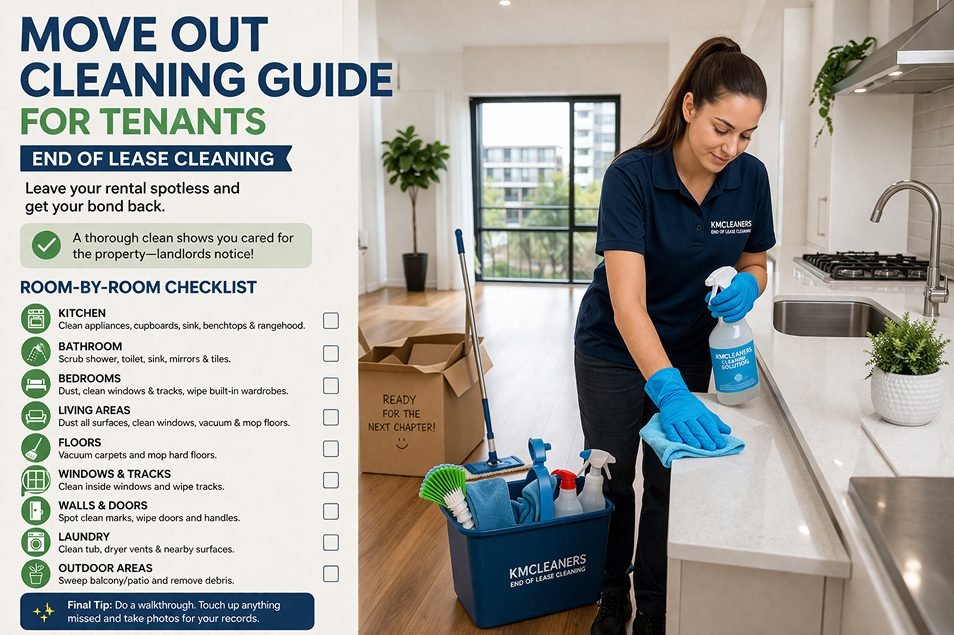
Move Out Cleaning Guide for Tenants
Transitioning to a new residence is often an exciting, yet demanding, endeavor. A crucial, and frequently overlooked, aspect of this process is the meticulous move out cleaning required by most lease agreements. This guide provides tenants with a comprehensive move out cleaning guide, detailing the essential steps and techniques to ensure a thorough cleaning, thus maximizing the chances of a full security deposit refund and fostering positive landlord relations.
Understanding Your Lease Obligations
Before you even pack your first box, it is imperative to carefully review your lease agreement. Landlords have specific expectations regarding the condition of the property upon vacating. These clauses often detail the extent of cleaning required, sometimes even specifying particular areas or materials to be used. Understanding these stipulations upfront will prevent last-minute surprises and guide your cleaning strategy effectively.
Identifying Key Areas for Deep Cleaning
While a general tidy-up is necessary, landlords typically focus on specific high-traffic and prone-to-dirt areas. A thorough tenant cleaning effort should prioritize:
- Kitchen: Ovens, stovetops, refrigerators (inside and out), dishwashers, sinks, countertops, cabinets (inside and out), and floors.
- Bathrooms: Toilets, sinks, showers, bathtubs, mirrors, tile grout, and floors.
- Living Areas & Bedrooms: Vacuuming carpets, dusting all surfaces, cleaning windows and sills, and wiping down baseboards.
- Floors: Mopping hard floors and deep cleaning carpets if required.
The Essential Move Out Cleaning Checklist
Creating and adhering to a detailed checklist is fundamental for successful move out cleaning. This systematic approach ensures no area is neglected.
- Declutter and Remove Belongings: Ensure all personal items, trash, and debris are removed from the property.
- Kitchen Deep Clean:
* Defrost and clean the refrigerator and freezer.
* Scrub the oven interior, including racks and door.
* Clean the stovetop and exhaust hood.
* Wipe down all cabinet fronts and interiors.
* Clean the sink and faucet thoroughly.
- Bathroom Sanitize:
* Scrub the toilet inside and out.
* Clean and disinfect the shower, bathtub, and all fixtures.
* Wipe down vanity and sink.
* Clean mirrors and all surfaces.
- General Room Cleaning:
* Dust all light fixtures, ceiling fans, and vents.
* Wipe down all walls and remove scuff marks where possible.
* Clean interior windows, sills, and tracks.
* Clean and polish all doors and door handles.
* Vacuum all carpets and rugs thoroughly.
* Mop all hard surface floors.
- Final Inspection: Walk through the entire property to ensure all tasks have been completed to a high standard.
Tackling Stubborn Stains and Grime
Often, standard cleaning products are insufficient for deeply ingrained dirt and stains. For oven interiors, a commercial oven cleaner can be highly effective. For grout, a paste of baking soda and water, combined with a stiff brush, works wonders. Persistent water stains in bathrooms might require a specialized descaling solution. Always test cleaning products in an inconspicuous area first to avoid damaging surfaces.
Professional Cleaning Services: When to Consider
While DIY tenant cleaning is often sufficient, some lease agreements or specific circumstances may necessitate professional assistance. If your lease explicitly requires professional carpet cleaning or if you are short on time and resources, hiring a professional service can be a worthwhile investment. Many professional cleaning companies specialize in end-of-tenancy cleaning and are familiar with landlord expectations.
Frequently Asked Questions About Move Out Cleaning
Q1: What is the most important part of the move out cleaning for tenants?
A1: The most crucial aspect of move out cleaning for tenants is ensuring the property is returned in a condition that meets or exceeds the requirements outlined in your lease agreement, particularly concerning deep cleaning of kitchens and bathrooms.
Q2: Do I need to professionally clean my carpets during move out cleaning?
A2: This depends entirely on your lease agreement. Some leases mandate professional carpet cleaning, while others only require them to be thoroughly vacuumed and free of stains.
Q3: How thoroughly should I clean the oven during move out cleaning?
A3: The oven should be cleaned inside and out, including racks and the glass door. Any baked-on food or grease should be removed.
Q4: What if there are minor scuffs on the walls?
A4: For minor scuffs, a magic eraser or a soft cloth with mild soap and water is usually effective. Avoid abrasive cleaners that could damage paint.
Q5: Can I do the move out cleaning myself?
A5: Absolutely. With a detailed checklist and sufficient time, most tenants can effectively perform their own move out cleaning.
Q6: What are landlords most likely to deduct for from the security deposit if cleaning isn’t done well?
A6: Landlords typically deduct for areas that are not cleaned to a reasonable standard, such as a dirty oven, unmopped floors, or stained carpets, alongside any damages.
Conclusion: A Sparkling Finish for Your Security Deposit
Executing a thorough move out cleaning is not merely a contractual obligation; it’s a strategic move that directly impacts your financial return and your reputation as a responsible tenant.
By diligently following this move out cleaning guide, you significantly increase your chances of reclaiming your full security deposit and leaving a positive lasting impression. A clean rental not only satisfies landlord requirements but also sets a welcoming tone for the next occupants.