Restaurant Cleaning Tips
Maintaining a spotless and hygienic environment is paramount for any successful restaurant. Beyond aesthetic appeal, restaurant cleaning tips are fundamental to ensuring food safety, preventing cross-contamination, and complying with health regulations. This comprehensive guide will delve into essential practices that contribute to a safe and appealing dining experience for your patrons.
Daily Cleaning Routines: The Foundation of Hygiene
A robust daily cleaning schedule is the bedrock of any effective restaurant hygiene program. Neglecting daily tasks can lead to the rapid accumulation of grease, grime, and bacteria, posing significant risks. Therefore, implementing consistent daily cleaning protocols is non-negotiable for maintaining operational integrity.
Kitchen Surfaces and Equipment
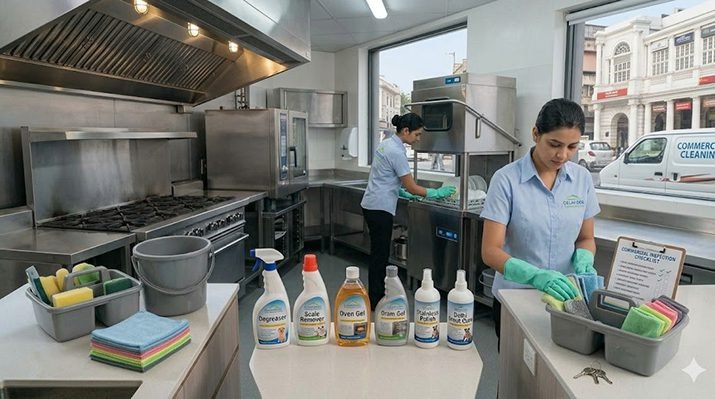
Kitchen hygiene extends to every surface and piece of equipment. Immediately after each use, all food preparation surfaces, cutting boards, and utensils should be thoroughly cleaned and sanitized. This includes wiping down countertops with approved sanitizers. Furthermore, cooking equipment such as grills, fryers, and stovetops require daily attention to remove food debris and grease buildup.
Dining Areas and Restrooms
The dining area also requires daily attention. Tables, chairs, and floors should be cleaned and disinfected between seatings and at the end of the day. Restrooms, a critical touchpoint for customers, must be cleaned and restocked regularly throughout the day. This includes sanitizing toilets, sinks, floors, and replenishing soap and paper products.
Weekly Deep Cleaning: Tackling Hidden Grime
While daily cleaning addresses immediate needs, weekly deep cleaning tackles areas that may be overlooked in a routine. These more intensive tasks are crucial for preventing long-term buildup and maintaining a truly sanitary environment.
Floors and Drains
Floors in kitchens and service areas often accumulate hidden grease and spills. A thorough weekly scrub with appropriate degreasers is essential. Moreover, floor drains require regular cleaning to prevent odor buildup and potential pest attraction. This often involves removing drain covers and using specialized brushes.
Ovens, Fryers, and Refrigeration Units
Deep cleaning these critical appliances is vital for efficiency and safety. Ovens should be degreased and cleaned internally. Fryers require draining, cleaning, and refilling of oil. Refrigeration units need their interior surfaces wiped down, and seals checked for debris. These tasks not only enhance hygiene but can also prolong equipment life.
Monthly and Seasonal Tasks: A Proactive Approach
Beyond daily and weekly routines, incorporating monthly and seasonal cleaning tasks ensures comprehensive hygiene and operational readiness. These less frequent but important activities address larger areas and equipment.
Ventilation Systems and Hoods
Restaurant ventilation systems, particularly exhaust hoods above cooking equipment, are prone to significant grease buildup. Monthly cleaning of filters and quarterly or semi-annual professional cleaning of the entire duct system is vital to prevent fire hazards and improve air quality.
Pest Control and Prevention
Regular inspections and preventative measures against pests are essential. This includes sealing entry points, maintaining proper waste disposal, and conducting thorough cleanings of storage areas. A clean environment is the first line of defense against unwanted visitors.
Food Safety and Sanitization Protocols
At the core of all restaurant cleaning tips lies a robust understanding of food safety and sanitization. It’s not just about appearance; it’s about preventing the transmission of foodborne illnesses.
Proper Sanitization Techniques
Effective sanitization involves a two-step process: cleaning to remove visible dirt and debris, followed by sanitizing to kill harmful microorganisms. Ensure you are using food-grade sanitizers and following manufacturer instructions for contact time and dilution ratios.
Staff Training and Accountability
Your staff are your frontline in maintaining hygiene. Comprehensive training on all cleaning protocols, food safety practices, and the proper use of cleaning chemicals is indispensable. Regular reinforcement and accountability checks ensure that these practices are consistently followed.
Frequently Asked Questions (FAQ)
Q1: What are the most important restaurant cleaning tips for kitchen hygiene? A1: Key restaurant cleaning tips for kitchen hygiene include daily sanitization of all food contact surfaces, regular cleaning of cooking equipment, proper waste disposal, and thorough floor cleaning.
Q2: How often should I deep clean my restaurant kitchen? A2: A deep clean should ideally be performed weekly, focusing on areas like ovens, fryers, drains, and floors, in addition to daily cleaning routines.
Q3: What are effective restaurant cleaning tips for preventing cross-contamination? A3: To prevent cross-contamination, always use separate cutting boards and utensils for raw meats and produce, clean and sanitize surfaces between tasks, and practice good hand hygiene.
Q4: Are there specific restaurant cleaning tips for health inspections? A4: Yes, for health inspections, focus on meticulous food storage, immaculate restrooms, well-maintained equipment, absence of pests, and documented cleaning schedules.
Q5: What are some essential restaurant cleaning tips for the dining area? A5: Essential restaurant cleaning tips for the dining area involve daily wiping down of tables and chairs, regular floor cleaning, and ensuring restrooms are consistently clean and stocked.
Conclusion: A Commitment to Cleanliness
Implementing these restaurant cleaning tips is not merely a task but a continuous commitment to excellence in food service. A clean restaurant fosters trust, enhances customer experience, and safeguards public health.
By integrating daily, weekly, and monthly cleaning routines, alongside stringent food safety protocols, you create an environment that is both safe and inviting. Prioritize cleanliness, train your staff effectively, and witness the positive impact on your business’s reputation and operational success.
Call to Action
Ready to elevate your restaurant’s hygiene standards? Download our free checklist for daily kitchen cleaning protocols to ensure you don’t miss a single crucial step. Equip your team with the knowledge they need for a safer, cleaner, and more successful establishment.